



Sustainable Fashion 2026: A Parent’s Guide to Better Clothing Choices

The Fashion Choices We Face: Fast vs. Sustainable
"Fast fashion is like fast food. After the sugar rush, it just leaves a bad taste in your mouth." — Livia Firth, Co-founder and creative director of Eco-Age, environmental activist
I've been thinking a lot about the clothing choices we make for ourselves and our families. As someone who deeply cares about the environment and the future we're creating for our children, I often find myself asking: how did we end up in a world where our wardrobes can either harm or help our planet?
The truth is, we're living through a fashion moment that feels more intense than ever. On one side, we have ultra-fast fashion that promises trendy clothes at prices that seem too good to be true. On the other, there's a growing movement of people who want their decisions to reflect care, for the earth, for the people behind our clothes, and for the generations who will live with the consequences.
This shift goes beyond trends. It’s about choosing sustainable fashion over short-lived consumption, questioning the true cost of what we wear, and supporting ethical fashion that values transparency, fair labor, and responsibility. It’s also about embracing circular fashion, where clothing is designed to last, to be reused, and to exist within a system that respects natural limits, powered by smarter design and sustainable materials that reduce harm rather than create it.
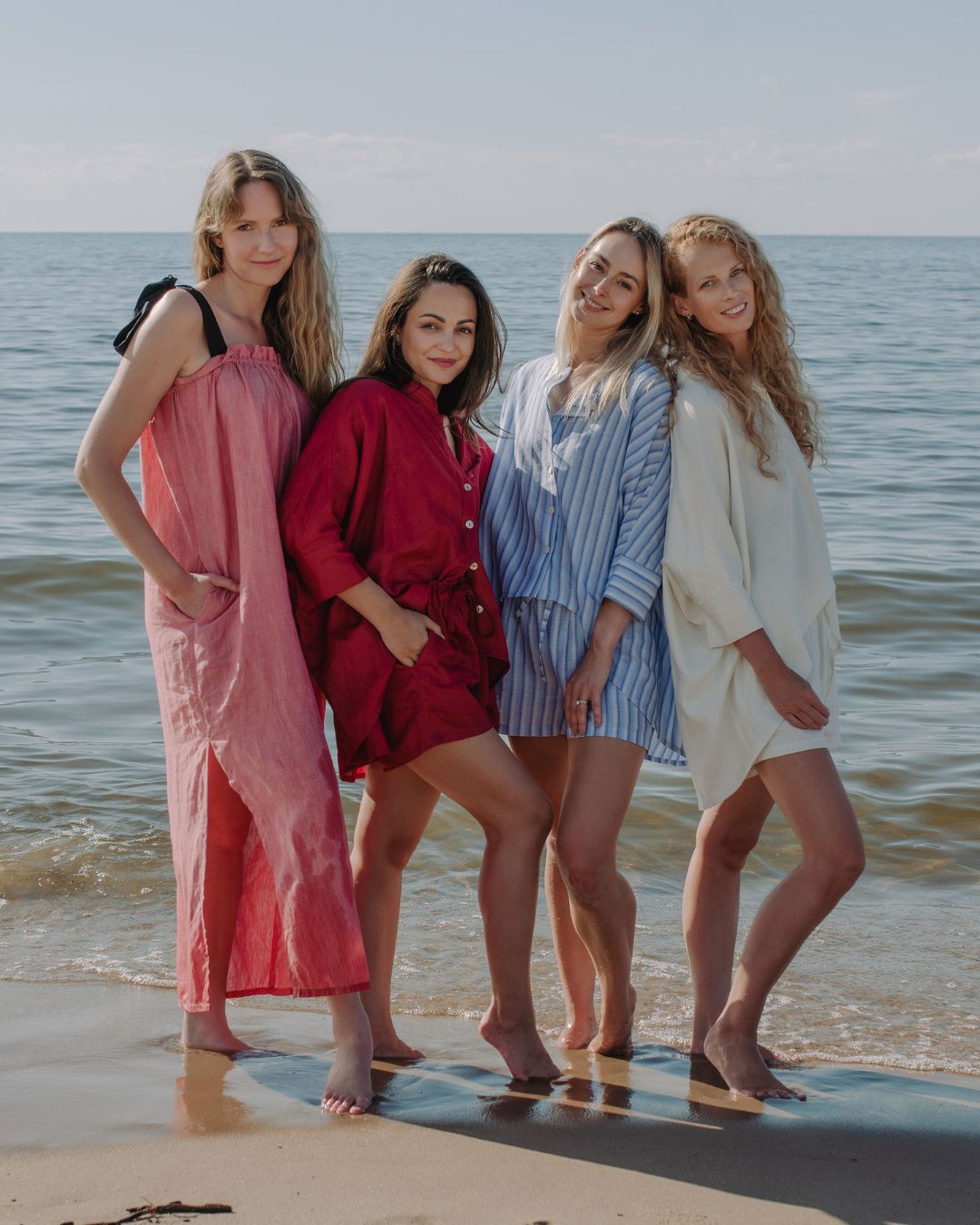
And slowly, almost without us realizing it, these ideas begin to shape a way of living one that prioritizes intention over impulse. This is where the MiliMilu Lifestyle naturally takes form: not as a rulebook, but as a mindset. A quieter, more thoughtful approach to fashion that aligns personal style with purpose, and everyday choices with a future we actually want to leave behind.

What fast fashion has become today
Not long ago, fashion followed a predictable rhythm of spring and fall collections. That structure has disappeared. When the term fast fashion emerged in the 1990s, it described brands that could move designs from sketch to store in a matter of weeks. Today, that timeline has shrunk even further.
Some fast fashion companies can now produce new styles in as little as ten days, from concept to closet, releasing hundreds of new products every week. While prices appear low, the environmental cost of this speed is anything but.
Industry data shows the global fast fashion market was valued at approximately USD 150.82 billion in 2025 and is expected to grow to around USD 291.1 billion by 2032, highlighting just how dominant this model has become.
Source: Global Fast Fashion Statistics (2025–2032)
What defines fast fashion today is a focus on maximum output at minimal cost, driven by:
-
Rapid copying of runway and social media trends
-
Widespread use of low-cost synthetic fabrics, with polyester making up nearly 60% of global clothing production
-
Supply chains built for speed rather than sustainability
-
AI systems designed to predict and stimulate demand
Despite growing environmental awareness, fast fashion remains popular. When budgets are tight, more than 75% of consumers turn to lower-cost clothing options. That choice is understandable; most of us are trying to balance affordability, practicality, and caring for our families.
The real question is no longer how fast fashion works, but how we move beyond it.

How sustainable fashion is growing and changing
What’s truly exciting is how sustainable fashion has evolved from a niche environmental concern into a broader, more thoughtful movement. What began in the 1970s when people first started linking consumption to environmental impact has grown into an approach that places people and the planet alongside profit, rather than beneath it.
By 2026, sustainable fashion is no longer just about materials. It reflects a shift in how clothing is designed, produced, and used. This includes:
-
Circular design principles, where garments are created to be reused, recycled, or safely returned to nature
-
Fair treatment of workers, ensuring safe conditions and fair wages throughout the supply chain
-
Protection of natural resources, through reduced water use, lower carbon emissions, and fewer harmful chemicals
-
New ways to engage with fashion, such as repair services, rental models, and alternative ownership systems
These changes signal a broader rethinking of value in fashion, moving away from disposability and toward longevity and responsibility. While resale and reuse are part of this evolving ecosystem, they are only one piece of a much larger transformation.
According to ThredUp’s annual resale report, the global secondhand apparel market is projected to reach approximately USD 350 billion by 2028, growing at a compound annual rate of about 12%, significantly faster than the overall apparel market.
Sustainable fashion today isn’t about perfection, it’s about progress, intention, and reshaping the systems behind what we wear.

Why these choices matter so much for our families
The reality of fashion’s environmental impact is sobering when you look at the numbers. Globally, the fashion industry contributes about 10% of all carbon emissions, which is more than international flights and maritime shipping combined.
Water use alone is staggering. It takes roughly 2,700 litres of water to produce one cotton T-shirt; that’s enough drinking water for one person for over two years. Meanwhile, washing synthetic clothing releases around 500,000 tonnes of microplastic fibers into the oceans every year, equivalent in volume to billions of plastic bottles polluting marine ecosystems.
Textile waste is also enormous. Around 92 million tonnes of clothing waste are generated globally each year, and about 85% of all textiles are discarded or buried in landfills or incinerators instead of being reused or recycled. In Europe alone, the average person discards around 16 kg of textiles annually, most of which still ends up in mixed waste rather than being properly recycled.
The human cost is equally real. Many fast fashion supply chains rely on workers in developing countries who often face unsafe conditions and unfair pay, raising serious ethical concerns about how and where our clothes are made.
This isn’t just about fashion trends, it’s about the kind of world we’re shaping for our children. As climate change accelerates and natural resources become scarcer, the choices we make as consumers and the policies governments implement will influence how the fashion industry evolves. In 2026, we have a meaningful opportunity to support practices that protect both the planet and future generations.

What's Really Happening in Sustainable Fashion Right Now
You know, when I look at what's happening in sustainable fashion this year, I can't help but feel excited about the changes we're seeing. It's not just about pretty clothes anymore; it's about creating a system that actually works for our planet and our children's future. Let me share with you some of the most promising developments that are reshaping how we think about our wardrobes.
1. Circular fashion is finally becoming real
Textile-to-textile recycling has moved from being just a nice idea to something brands are actually investing in. While we're still in the early stages, the momentum is building in ways that give me hope. Major brands are forming partnerships with textile-to-textile recyclers and signing agreements to help them grow.
Here's what's fascinating and a bit challenging about this space: innovators are under pressure to speed up what usually takes a decade into just a few years. We're seeing collaborations like Circ x H&M, Circulose x Marks & Spencer, and Syre x Nike that show real progress. But honestly, many of these innovative companies still struggle to get the funding and infrastructure they need to scale up.
It reminds me of our own journey at MiliMilu, sometimes the most important changes take time, but when they happen, they can really make a difference.
2. Second-hand shopping is having a moment
Second-hand fashion is rapidly moving into the mainstream as consumers prioritize value, longevity, and more conscious consumption. The global second-hand apparel market is projected to reach approximately USD 430.8 billion by 2030, growing at a pace significantly faster than the overall apparel market.3. Timeless pieces are making a comeback
Have you noticed how fashion seems to be slowing down a bit? We're seeing brands move away from those constant seasonal drops toward pieces you can actually wear year-round. Some experts are calling it a "return of individualism" after years of everyone wearing the same trends. What this really means is a focus on quality, craftsmanship, and clothes that last.
Mid-market and affordable luxury brands are stepping up their game, creating pieces that aren't tied to specific seasons or weather. This approach is brilliant because it reduces the environmental impact of constantly buying new things while giving you better value for your money.
Seasonless fashion basically says no to the rigid fashion calendar we've all gotten used to. It's better for designers who get more creative freedom, and better for you because you can invest in versatile pieces that work throughout the year. It's exactly the kind of thinking we embrace at MiliMilu, clothes that grow with your life, not against it.
4. Brands are opening up about their supply chains
Here's some progress worth celebrating: 52% of major fashion brands now share information about their suppliers , which is up from just 32% in 2017. But we still have work to do, since half of the world's largest fashion brands share little or no information about where their clothes come from.
The pressure from new regulations is pushing brands to be more open. Some are working with fewer factories so they can keep better track of what's happening. Others are trying blockchain technology to create permanent records of a product's journey from raw materials to your closet.
5. Digital passports are changing everything
It might sound technical, but Digital Product Passports (DPPs) are one of the most important developments in sustainable fashion right now. Under the EU’s new Ecodesign for Sustainable Products Regulation (ESPR), garments sold in the European market will soon be required to carry a digital record containing verified data on material composition, origin, environmental impact, and how to repair or recycle them, essentially a digital life story for every product.
Think of a DPP like a digital ID card that lets consumers, recyclers, and regulators see exactly what a garment is made of and how it was made. This kind of traceability helps reduce vague claims and greenwashing because brands must provide accurate, verifiable information rather than marketing slogans.
Most people haven’t encountered DPPs yet awareness is still low, but these systems solve real problems by making product data transparent and trustworthy, especially as fashion moves toward reuse, repair, and recycling. This shift from opaque labeling to verified, lifecycle information is a major step toward accountability and a more circular fashion system.
Sources:• EU mandates Digital Product Passports, requiring lifecycle and sustainability data on all textiles sold in the EU — Sustainability Directory EU regulation mandates DPPs for fashion transparency
• Digital Product Passports support full traceability and circular information flow — Sustainable Brand Platform Digital Product Passports for textiles overview

The Fabrics That Actually Make a Difference
"Becoming more mindful about clothing means looking at every fiber, at every seed and every dye and seeing how to make it better. We don't want sustainability to be our edge, we want it to be universal." — Eileen Fisher, Sustainable fashion designer and industry leader
I have to say, the materials we're seeing in 2026 are pretty exciting! As someone who cares deeply about what touches my family's skin, I'm thrilled to share what's really making a difference in sustainable fabrics. These aren't just better for the planet, they're often better for us too.
Natural fibres that actually work
Let me start with something close to my heart: hemp. This fabric has been a true game-changer for families like mine who need clothing that’s both sustainable and practical. Hemp uses 50-70% less water during cultivation, and it’s naturally breathable and moisture-wicking—perfect whether you’re chasing kids around in summer or layering up in cooler weather.
What makes hemp even more impressive is its impact on the land. Through phytoremediation (a fancy way of saying it helps clean and restore soil), hemp actually improves the ground it grows in. In some regions, it can even be harvested multiple times a year, giving us more fabric with far less environmental strain.
Linen deserves just as much love. Made from flax, linen requires significantly less water and fewer chemicals than cotton, and almost the entire plant is used, resulting in very little waste. It’s naturally temperature-regulating, antibacterial, and incredibly durable—one of those rare fabrics that truly gets better with time. For warm climates and sensitive skin, linen is hard to beat.
Organic cotton, while still more water-intensive than hemp or linen, remains a much better option than conventional cotton thanks to reduced chemical use and healthier soil practices. That said, I’ve noticed that once families experience the comfort and durability of hemp and linen, many naturally start making the switch.

The soft revolution: Tencel and bamboo
Can we talk about how amazing these fabrics feel? Bamboo textiles are becoming my go-to recommendation for activewear and undergarments because they're naturally antibacterial, perfect when you're dealing with active kids or long days. Made from rapidly renewable bamboo that needs minimal water and no pesticides, these fabrics offer that silky-smooth texture we all want.
Tencel deserves special mention here. With its closed-loop production system recycling over 99% of solvents, it's both environmentally smart and incredibly comfortable. The fabric absorbs 50% more moisture than cotton, which means it's practical for real life, not just marketing claims.
The recycling breakthrough
Here's where things get really interesting. The recycled polyester market hit 124 million tons in 2023 which is a 7% jump from the previous year! But the exciting part is the shift toward textile-to-textile recycling. We're moving away from plastic bottles (which currently make up 98% of recycled polyester) toward actually recycling old clothes into new ones.
Nike just signed a multi-year deal with Swedish recycler Syre, and Gap and Target are making similar commitments. It's happening, and it's happening fast.
Low-impact dyes are another breakthrough worth celebrating. These formulations achieve up to 99% polyester fixation, reducing dye runoff and water pollution. Finally, colors that don't cost the earth!
The plant-based future
Sustainable fashion is increasingly shaped by plant-based and bio-engineered materials that reduce reliance on fossil fuels and animal products. The global biodegradable fabrics market is projected to grow rapidly through the early 2030s, driven by rising demand for lower-impact textiles and circular design solutions.
Some of the most exciting innovations come from agricultural waste. Pineapple leaves are being transformed into leather-like materials such as Piñatex®, while banana plant stems are now used to create soft, cotton-like fabrics—proving that discarded byproducts can become valuable fashion resources.
Mycelium, a mushroom-based material, is also moving from experimental labs into commercial use. The mycelium leather market is expected to grow steadily and reach approximately USD 285 million by 2033, as brands explore scalable alternatives to traditional leather.
Together, these developments signal a shift toward a more regenerative, plant-forward future for fashion, where innovation supports both performance and planetary health.
Technology meets comfort
Smart textiles are where sustainability meets practicality in the most exciting ways. Fabrics with embedded sensors can monitor body temperature and movement while offering thermo-regulating properties. Imagine clothes that actually help you stay comfortable throughout the day!
Digital product passports are becoming standard for premium fabrics, giving you complete visibility into where your clothes come from and how they're made. This transparency helps you make informed choices and builds trust with brands that are doing the right thing.
Plant-based elastics are solving one of the last big challenges in sustainable textiles, how to get stretch without synthetic materials. These new fibers offer elasticity comparable to traditional synthetics while keeping everything natural.
The best part? All of these innovations are becoming more accessible every year. What seemed experimental just a few seasons ago is now available for families who want to make better choices without sacrificing comfort or style.

Technology's Double-Edged Role in Sustainable Fashion
Technology feels like it should be our ally in creating more sustainable fashion, doesn't it? And in many ways, it really is. But here's what I find fascinating - and sometimes frustrating - about technology in fashion: it can be both the problem and the solution, depending on how we choose to use it.
Smart inventory systems that actually work
Overproduction and constant markdowns are long-standing problems in fashion, but AI-driven inventory management is helping shift the model. Brands using advanced analytics report inventory reductions of 30–50%, along with fewer markdowns and less unsold stock, meaning less waste overall.
These systems analyze sales history alongside factors like weather, online searches, and social media trends to better predict demand. As the technology learns over time, production becomes more accurate, reducing guesswork and excess.
Stopping waste before it happens
The scale of fashion waste is hard to ignore. Each year, the industry generates around 92 million tonnes of textile waste, much of it ending up in landfills or incineration.
What makes this moment different is the growing use of predictive analytics, which helps brands align production with real demand instead of assumptions. This shift moves fashion from reactive overproduction to proactive planning by improving supply-chain visibility, identifying unusual inventory patterns, and offering a clearer picture of stock across channels.
The impact is measurable. Companies using AI-driven inventory management report 20–50% reductions in inventory costs, alongside lower waste and fewer unsold products.
When used responsibly, these tools don’t just improve efficiency, they help prevent waste before it’s created, which is one of the most effective sustainability strategies of all.
Virtual try-ons and digital possibilities
Virtual try-on technology is quickly changing how we shop online. This matters because fashion has an average return rate of around 30%, largely due to sizing and fit issues.
Studies show that virtual try-on tools can reduce size-related returns by 20–30%, helping customers make more confident decisions while cutting the environmental cost of reverse logistics, packaging, and excess production.
Even small shifts toward digital previews and fewer returns can translate into meaningful water and carbon savings, making virtual try-on a practical sustainability tool, not just a novelty.
The troubling side of AI in fashion
AI can also accelerate harm when it’s used to maximize speed and volume rather than sustainability. In ultra-fast fashion models, real-time algorithms track demand and trigger constant production, enabling some online retailers to list hundreds of thousands of items at once. This drives extreme overproduction.
The environmental impact is alarming. In 2023, one major fast-fashion platform reported around 16.7 million metric tons of CO₂ emissions, making it one of the largest polluters in the fashion industry, nearly tripling its footprint in just three years.
This shows that AI isn’t inherently sustainable; its impact depends entirely on how it’s used and what priorities guide it.
How technology supports brands doing better
When sustainability is the actual goal rather than an afterthought, technology can dramatically improve fashion's environmental performance. Blockchain enhances supply chain transparency, which is crucial for verifying sustainability claims. Computer vision systems paired with robotics are improving textile recycling by identifying and sorting different materials.
What I find particularly promising is how AI helps brands design truly circular products and optimize repair services. These systems now recognize that different store locations have fundamentally different inventory needs, allowing each retail location to operate with stock levels tailored to its specific customer base. This granular approach significantly reduces both stockouts and overstock situations.
The question isn't whether technology will shape the future of sustainable fashion - it's whether we'll use it to create the kind of future we actually want to live in.

The Changes We're Seeing - And Why They Give Me Hope
You know what really excites me about 2026? It's watching governments and consumers finally say "enough is enough" when it comes to fashion waste. We're seeing a complete shift in how the world approaches sustainable fashion, and honestly, it's about time!
What's happening with fashion policies right now
When it comes to turning good intentions into real change, the European Union is truly leading the way. Sustainable fashion is no longer just a conversation, it’s becoming law, and that matters deeply for the world our children will grow up in.
Here are the most important changes shaping fashion right now:
A textile waste revolution
As of 2025, all EU member states are required to collect textiles separately from general household waste. This is a big shift, especially when you consider that Europeans discard around 12 kg of clothing per person every year, almost a full wardrobe annually. Separate collection is the first step toward proper recycling, reuse, and circular systems.
The end of destroying unsold clothing
One of the most hopeful changes comes with the EU’s new sustainability rules: large companies will be banned from destroying unsold textiles starting in July 2026, with medium-sized companies following by 2030. This directly addresses a shocking reality, between 4% and 9% of textile products placed on the EU market were previously destroyed without ever being worn. Seeing this practice come to an end feels like a long-overdue win for common sense and the planet.
Digital truth-telling through transparency
The same regulation introduces Digital Product Passports for textiles. These passports will provide verified information about a garment’s materials, production process, durability, and how to repair or recycle it. For families trying to make better choices, this level of transparency is powerful, it replaces vague “eco” claims with facts we can actually trust.
Together, these policies signal a real shift: sustainability is no longer optional or symbolic. It’s becoming part of how fashion works—by design, by law, and for the long term. And that gives me genuine hope for the future we’re building for our children.

How brands are being held accountable
Fashion transparency is improving. The Fashion Transparency Index shows that brand disclosure rose from 32% in 2017 to around 52% today, meaning more companies are revealing who makes their clothes.
Regulation is also tightening. The EU’s Corporate Sustainability Due Diligence Directive (CSDDD) now requires large companies to identify and prevent human rights and environmental abuses across their supply chains.
At the same time, the EU is cracking down on greenwashing, forcing brands to prove sustainability claims with real data, not vague marketing language.
What young people are teaching us
There’s something genuinely encouraging happening among younger generations. Gen Z is leading the shift toward more responsible fashion, not just with words, but with choices. Studies show that around 83% of Gen Z consumers are willing to pay more for sustainable products, and nearly half of shoppers aged 18–24 say they are strongly supportive of sustainable fashion.
Of course, I know the reality many families are facing. With the cost-of-living crisis, price and durability matter more than ever. Yet what gives me real hope is this: about 40% of Gen Z and Millennial consumers still rank environmental impact as “very” or “extremely important” when making purchasing decisions. Even under financial pressure, values haven’t disappeared; they’re evolving.
The rise of conscious shopping - and why it matters for families
The Fashion Transparency Index was created because "transparency underpins sustainability - without transparency, achieving a sustainable, accountable and fair fashion industry will be impossible." This resonates deeply with my own values about making informed choices for my family.
Research shows five different types of shoppers when it comes to sustainability:
-
Sustainability Champions (the dedicated ones!)
-
Good Citizens (willing to pay more)
-
Fence Sitters (interested but need convincing)
-
Price Focused (budget-conscious but caring)
-
Indifferent (not yet engaged)
What's interesting is that quality and durability rank highest across all groups - even above explicit sustainability features. This tells me that people want clothes that last, which is exactly what sustainable fashion offers!
There's still a gap between what people say they want and what they actually buy. While 65% of fashion consumers say they care about the environment, fewer actually prioritize sustainability when shopping. But you know what? That gap is closing as sustainable options become more convenient and accessible.
How forward-thinking brands are responding
The brands that truly understand this moment are the ones embracing transparency as their strength, not something to hide behind. They're addressing both the information gap - through clear labeling and honest supply chain disclosure - and the convenience barrier by making sustainable choices easy to find and afford.
What I love seeing is brands focusing on durability and quality as their gateway to sustainability. Instead of just talking about being "green," they're positioning fashion as an investment in pieces that last. This appeals to budget-conscious families while advancing our shared sustainability goals.
The smartest brands are creating different entry points for different consumers. They understand that the 64% of "Good Citizens" are willing to pay more for sustainable clothing, have different needs from the 24% of "Indifferent" consumers who are just beginning their sustainability journey.
We're at such an exciting turning point. The policies, the consumer awareness, the brand accountability - it's all coming together to create the kind of fashion industry I want my children to inherit. One where every purchase can be made with confidence that it's good for people and planet.

Where do we go from here?
As I was bringing all of this together, my thoughts kept returning to my children and to the kind of world we’re quietly shaping for them through everyday choices. This conversation isn’t really about trends or reports. It’s about values. About how the small decisions we make, day after day, slowly become a legacy.
We’ve talked about the reality of fast fashion and the hopeful shift toward ethical clothing trends, sustainable fashion brands, and new materials that respect both people and the planet. From hemp and Tencel to mushroom-based innovations, what stands out most to me is this: sustainable fashion is no longer distant or exclusive. It’s becoming part of real life, part of how families live, shop, and care.
That belief is at the heart of MiliMilu Lifestyle. When I started this journey, I wasn’t sure whether people truly wanted to know where their clothes came from, who made them, or whether those hands were treated with dignity. But you do care. And that gives me so much hope.
What I’ve learned from this community is simple and powerful: start where you are. Maybe it’s choosing one well-made piece instead of several disposable ones. Maybe it’s introducing your children to the idea that clothes can have more than one life. Or maybe it’s just pausing to ask better questions, questions that push brands toward responsible production and conscious consumption.
Policy changes, especially across the EU, are helping move the industry toward transparency, and that truly matters. But we don’t have to wait for regulations to lead the way. Every time we choose quality over quantity, pass clothes along instead of throwing them away, or support brands aligned with our values, we’re already shaping a better system.
I often think back to growing up in Latvia, where caring for what we owned wasn’t a trend; it was a necessity. That mindset of valuing, repairing, and respecting what we have feels incredibly relevant today. It’s something we can pass on to our children: that fashion can be beautiful, expressive, and still kind to the planet.
The path forward belongs to all of us. Brands must keep evolving, but consumers, parents especially hold immense power. Through curated fashion collections, thoughtful choices, and shared values, we’re already creating a future where caring for our families goes hand in hand with caring for the Earth.
Thank you for being part of this conversation. Together, through MiliMilu Lifestyle and beyond, we can show our children that love for people, for the planet, and for ourselves can be woven into the choices we make every day.

Key Takeaways
Building a sustainable wardrobe in 2026 is more accessible than ever, with innovative materials, technology, and policy changes creating new pathways to eco-friendly fashion choices.
• Circular fashion is scaling rapidly: Textile-to-textile recycling and resale markets (growing 10% annually) offer viable alternatives to fast fashion's wasteful linear model.
• Smart materials reduce environmental impact: Hemp uses 50-70% less water than cotton, while Tencel's closed-loop system recycles 99% of solvents used in production.
• AI optimizes sustainability when applied correctly: Predictive analytics can reduce inventory waste by 20-50%, while virtual try-ons cut size-related returns by 20%.
• EU regulations are driving global change: The 2026 ban on destroying unsold clothing and mandatory Digital Product Passports will force brands worldwide to adopt transparent, accountable practices.
• Quality over quantity wins economically: Investing in durable, seasonless pieces appeals to cost-conscious consumers while reducing environmental impact—addressing both budget constraints and sustainability goals.
The convergence of consumer demand, technological innovation, and regulatory pressure is creating an unprecedented opportunity to transform fashion from one of the world's most polluting industries into a force for environmental good. Your purchasing decisions today directly influence this transformation.
FAQs
Q1. What are some simple ways to build a sustainable wardrobe in 2026? To create a sustainable wardrobe, focus on quality over quantity by investing in durable, seasonless pieces. Explore second-hand options, support transparent brands, and choose innovative materials like hemp or Tencel. Utilize virtual try-on technology to reduce returns and consider renting for occasional wear items.
Q2. How is technology helping make fashion more sustainable? Technology is revolutionizing sustainable fashion through AI-driven inventory management, which can reduce waste by 20-50%. Virtual try-ons are cutting size-related returns by 20%, while blockchain enhances supply chain transparency. Predictive analytics help brands align production with actual demand, minimizing unsold inventory.
Q3. What are some key sustainable fashion trends for 2026? Key trends include the rise of circular fashion models, growth in second-hand and resale platforms, a shift towards timeless designs, increased supply chain transparency, and the adoption of Digital Product Passports. There's also a focus on innovative, eco-friendly materials like recycled polyester and plant-based textiles.
Q4. How are regulations shaping the fashion industry's approach to sustainability? EU regulations are driving global change, with measures like the 2026 ban on destroying unsold clothing and mandatory Digital Product Passports. These policies are forcing brands to adopt more transparent and accountable practices, addressing issues like textile waste and supply chain ethics.
Q5. What role do consumers play in promoting sustainable fashion? Consumers, especially younger generations, are driving demand for sustainable fashion. By making conscious purchasing decisions, supporting transparent brands, and embracing practices like buying second-hand or renting, consumers directly influence industry practices. Even small changes in buying habits can contribute to a larger movement towards more sustainable fashion.

Comments