
How to Choose Organic Baby Clothes: Complete Guide for New Parents

Why Organic Baby Clothes Matter for Your Little One
Choosing the right clothing for your baby is one of the most important decisions new parents make. With babies' skin being up to 30% thinner than adults', what touches their skin matters more than you might think. In fact, organic cotton uses 91% less water and 62% less energy than conventional cotton, while eliminating exposure to over 8,000 synthetic chemicals used in conventional textile production.
This complete guide will help you navigate the world of organic baby clothing and make informed choices for your little one.

Table of Contents
- What Makes Baby Clothes "Organic"?
- 5 Key Benefits of Organic Baby Clothing
- How to Choose the Best Organic Baby Clothes
- Essential Organic Baby Clothing Items
- Organic Cotton vs Bamboo vs Linen Comparison
- Caring for Organic Baby Clothes
- Is Organic Baby Clothing Worth the Investment?
- Frequently Asked Questions
- Where to Buy Organic Baby Clothes in Hong Kong
What Makes Baby Clothes "Organic"?
Quick Answer: Organic baby clothes are made from natural fibers (cotton, bamboo, linen) grown without synthetic pesticides, herbicides, or GMOs. They must be certified by standards like GOTS (Global Organic Textile Standard) or OEKO-TEX to ensure they're free from harmful chemicals and safe for babies' sensitive skin.
Organic baby clothes are made from natural fibres grown without synthetic pesticides, herbicides, or genetically modified organisms (GMOs). The most common organic fabrics for baby clothing include:
- Organic Cotton - Soft, breathable, and hypoallergenic, grown without harmful chemicals. Certified organic cotton eliminates exposure to the 16% of global insecticides and 7% of pesticides used on conventional cotton crops.
- Bamboo - Naturally antibacterial, moisture-wicking, and incredibly soft on sensitive skin. Bamboo grows 3 times faster than cotton and requires no pesticides.
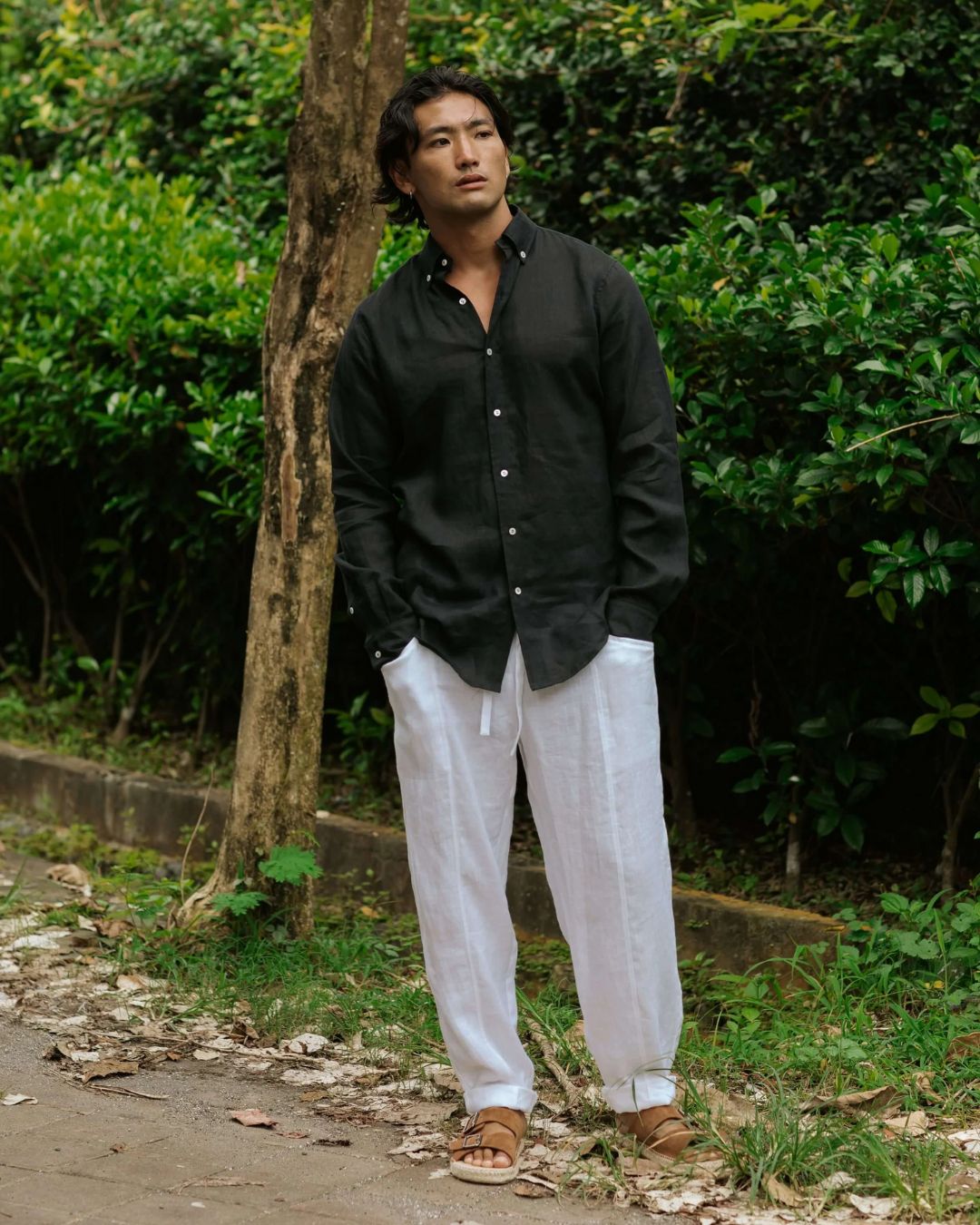
- Linen - Durable, breathable, and perfect for warm climates like Hong Kong and Singapore. Linen production uses 5 times less water than cotton.
5 Key Benefits of Organic Baby Clothing
Quick Answer: The top 5 benefits of organic baby clothing are: (1) gentler on sensitive skin with no harsh chemicals, (2) safer for baby's health without pesticide residues, (3) more breathable and temperature-regulating, (4) environmentally sustainable farming practices, and (5) higher quality and durability for longer-lasting wear.
1. Gentler on Sensitive Skin
Babies have delicate, sensitive skin that's prone to irritation. A study published in the Journal of Pediatric Dermatology found that 70% of parents reported fewer skin irritations when switching to organic fabrics. Organic fabrics are free from harsh chemicals, synthetic dyes, and toxic finishes that can cause rashes, eczema, or allergic reactions. Bamboo baby clothing and organic cotton are naturally hypoallergenic, making them ideal for newborns.
2. Better for Baby's Health
Conventional cotton is one of the most pesticide-intensive crops in the world, accounting for 16% of global insecticide use despite covering only 2.4% of cultivated land. These chemicals can remain in fabric fibres and be absorbed through your baby's skin. Organic baby clothes eliminate this risk, providing a safer option for your little one.
3. More Breathable and Comfortable
Natural organic fibers like bamboo and organic cotton are more breathable than synthetic materials, helping regulate your baby's body temperature. This is especially important in humid climates like Hong Kong, where babies can easily overheat.
4. Environmentally Sustainable
Choosing organic baby clothing means supporting sustainable farming practices that protect soil health, conserve water, and reduce pollution. Organic cotton farming uses 91% less water and produces 46% less CO2 than conventional methods. You're not just making a choice for your baby - you're making a choice for their future planet.
5. Higher Quality and Durability
Organic fabrics are often more durable than conventional alternatives because they're made from longer, stronger fibres. Quality organic baby clothes can withstand 50+ washes and even be passed down to siblings or friends, making them more cost-effective over time.

How to Choose the Best Organic Baby Clothes
Quick Answer: To choose the best organic baby clothes: (1) look for GOTS or OEKO-TEX certifications, (2) select appropriate fabrics for your baby's age (soft cotton for newborns, bamboo for active babies), (3) check for practical features like snap closures and flat seams, and (4) choose gender-neutral colours for maximum reusability.
Look for Certifications
When shopping for organic baby clothing, look for certifications like GOTS (Global Organic Textile Standard), OEKO-TEX Standard 100, or Organic Content Standard. These certifications ensure the clothing meets strict organic and safety standards, with GOTS requiring at least 95% organic fibers and prohibiting over 1,000 harmful chemicals.
Consider the Fabric Type
For Newborns (0-3 months): Choose ultra-soft organic cotton rompers or bamboo bodysuits. Look for envelope necklines for easy dressing.
For Active Babies (3-12 months): Bamboo clothing is excellent for crawlers - it's durable, stretchy, and naturally moisture-wicking.
For Toddlers (1-3 years): Organic linen and cotton blends work well for active toddlers, offering durability and breathability.
Check for Practical Features
- Snap closures or zippers for easy diaper changes
- Stretchy, comfortable waistbands
- Flat seams to prevent irritation
- Tag-free labels
- Machine-washable fabrics
Choose Gender-Neutral Colours
Opting for gender-neutral organic baby clothes in timeless colours like cream, grey, sage, or natural tones means you can reuse them for future children or pass them along to friends, maximising sustainability.

Essential Organic Baby Clothing Items for New Parents
Quick Answer: Essential organic baby clothing items include: 5-7 organic cotton rompers, 4-6 bamboo bodysuits, 3-5 organic baby bibs, 2-3 soft baby hats, and 3-4 pairs of organic leggings. These basics provide a complete, sustainable wardrobe for newborns.
Building a sustainable baby wardrobe doesn't mean buying everything at once. Start with these essentials:
- Organic Cotton Rompers - 5-7 pieces for everyday wear
- Bamboo Bodysuits - 4-6 pieces for layering
- Organic Baby Bibs - 3-5 pieces for feeding time
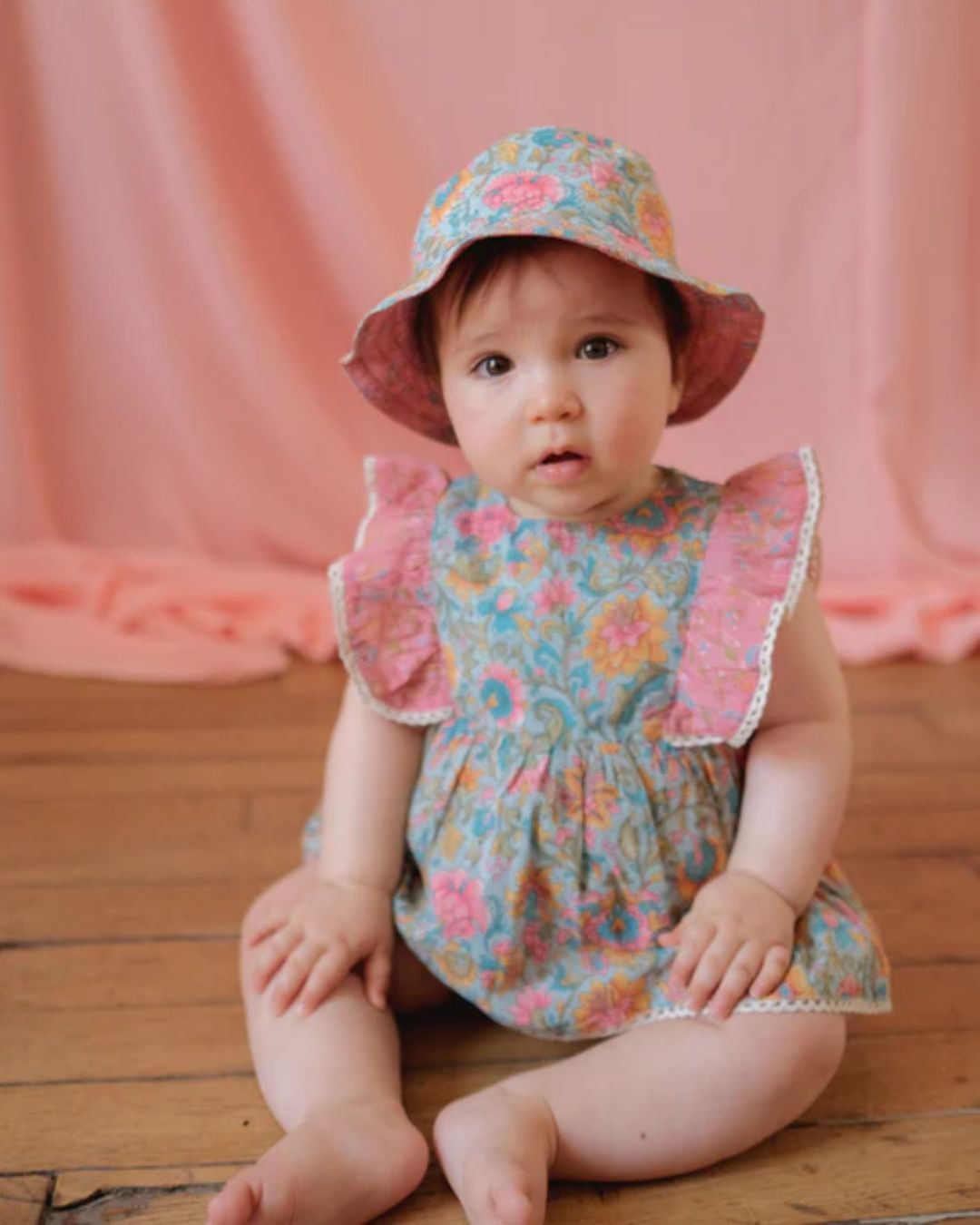
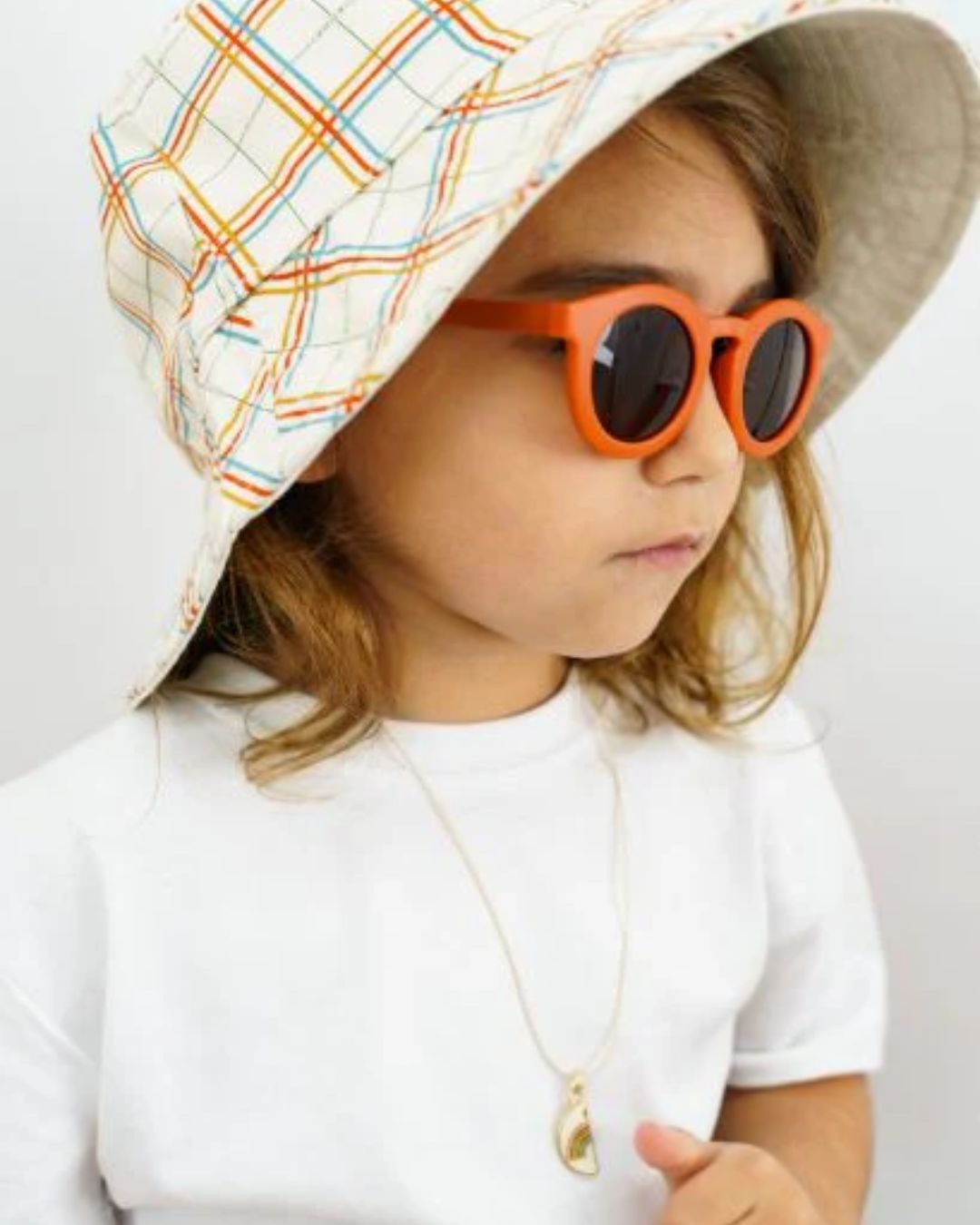
- Soft Baby Hats - 2-3 pieces for sun protection and warmth
- Organic Leggings - 3-4 pairs for comfort and flexibility
Check out our complete Gifts for New Parents collection for curated organic baby essentials.
"Switching to organic baby clothes completely cleared up my daughter's skin rash within two weeks. The bamboo rompers from MiliMilu are so incredibly soft - I wish I had discovered them sooner!" - Sarah L., Hong Kong
Organic Cotton vs Bamboo vs Linen: Complete Comparison
Not sure which organic fabric is best for your baby? Here's a detailed comparison to help you decide:
| Fabric Type | Best For | Key Benefits | Ideal Climate |
|---|---|---|---|
| Organic Cotton | Every day wear, newborns | Soft, breathable, durable, hypoallergenic | All climates |
| Bamboo | Sensitive skin, active babies | Ultra-soft, moisture-wicking, antibacterial, UV protection | Humid, hot (Hong Kong) |
| Organic Linen | Summer wear, toddlers | Ultra-breathable, cooling, quick-drying, durable | Hot, tropical |
Our Recommendation: For Hong Kong's humid climate, we recommend starting with bamboo baby clothing for its superior moisture-wicking properties, combined with organic cotton rompers for versatile everyday wear.
Caring for Organic Baby Clothes
Quick Answer: To care for organic baby clothes, wash in cold or warm water (not hot), use gentle, eco-friendly detergents, air-dry when possible, avoid fabric softeners, and store in a cool, dry place. This preserves the organic fibres and extends the life of the clothing.
To maintain the quality and longevity of organic baby clothing:
- Wash in cold or warm water (not hot) to preserve fibres
- Use gentle, eco-friendly detergents free from harsh chemicals
- Air dry when possible to extend fabric life by up to 50%
- Avoid fabric softeners, which can reduce absorbency and leave chemical residues
- Store in a cool, dry place away from direct sunlight

Is Organic Baby Clothing Worth the Investment?
Quick Answer: Yes, organic baby clothing is worth the investment. While the upfront cost is 20-40% higher, organic clothes last 2-3 times longer, reduce skin irritation risks, can be passed down to siblings, and are better for your baby's health and the environment. The cost-per-wear is often lower than conventional clothing.
While organic baby clothes may have a higher upfront cost, they offer significant long-term value:
- Better quality means they last longer through 50+ washes vs 20-30 for conventional
- Reduced risk of skin irritation saves on medical costs (average HKD 800-1,500 per dermatologist visit)
- Can be passed down to siblings or resold at 40-60% of the original value
- Better for your baby's health and the environment
When you calculate cost-per-wear and factor in health benefits, organic baby clothing is a smart investment for conscious parents.
Frequently Asked Questions About Organic Baby Clothes
At what age is best to start using organic baby clothes?
Start using organic baby clothes from birth. Newborns have the most sensitive skin and are most vulnerable to chemical absorption. In fact, babies' skin is 30% thinner than adults' and absorbs substances up to 5 times faster, making organic fabrics especially important during the first 6 months. Many parents choose organic for the entire first year and beyond.
Are organic baby clothes really worth the extra cost?
Yes, organic baby clothes are worth the investment. While they cost 20-40% more upfront, they last 2-3 times longer than conventional clothing, reducing your cost-per-wear. Additionally, you'll save on potential medical costs from skin irritations (average HKD 800-1,500 per visit), and organic clothes retain 40-60% resale value. Most importantly, you're protecting your baby from exposure to over 8,000 chemicals used in conventional textile production.
How can I tell if baby clothes are truly organic?
Look for third-party certifications on the label or product description. The most reliable certifications are GOTS (Global Organic Textile Standard), which requires 95% organic fibers, OEKO-TEX Standard 100, which tests for harmful substances, and OCS (Organic Content Standard). Avoid products that claim to be "natural" or "eco-friendly" without certification - these terms aren't regulated.
Can I wash organic baby clothes with regular detergent?
It's best to use gentle, eco-friendly detergents specifically designed for baby clothes or sensitive skin. Regular detergents often contain harsh chemicals, synthetic fragrances, and optical brighteners that can irritate babies' skin and break down organic fibres faster. Look for plant-based, fragrance-free detergents with the ECOCERT or similar certification. Avoid fabric softeners entirely, as they leave chemical residues and reduce the natural absorbency of organic fabrics.
Do organic baby clothes shrink more than regular clothes?
Organic cotton may shrink slightly more than conventional cotton (typically 3-5% vs 2-3%) because it hasn't been treated with chemical anti-shrink finishes. However, this is easily managed: wash in cold water, air dry or tumble dry on low heat, and consider sizing up for the first few items. Bamboo fabric actually shrinks less than cotton and maintains its shape better. The slight shrinkage is a trade-off for avoiding chemical treatments that could irritate your baby's skin.
Where can I buy certified organic baby clothes in Hong Kong?
In Hong Kong, you can find certified organic baby clothes at specialized sustainable retailers like MiliMilu, which offers GOTS-certified organic cotton, bamboo, and linen clothing. Look for stores that clearly display certifications, provide transparent sourcing information, and focus on eco-friendly children's fashion. You can also shop our complete organic baby essentials collection online with delivery throughout Hong Kong and Singapore.

Popular Organic Baby Clothing Styles
Organic Cotton Rompers
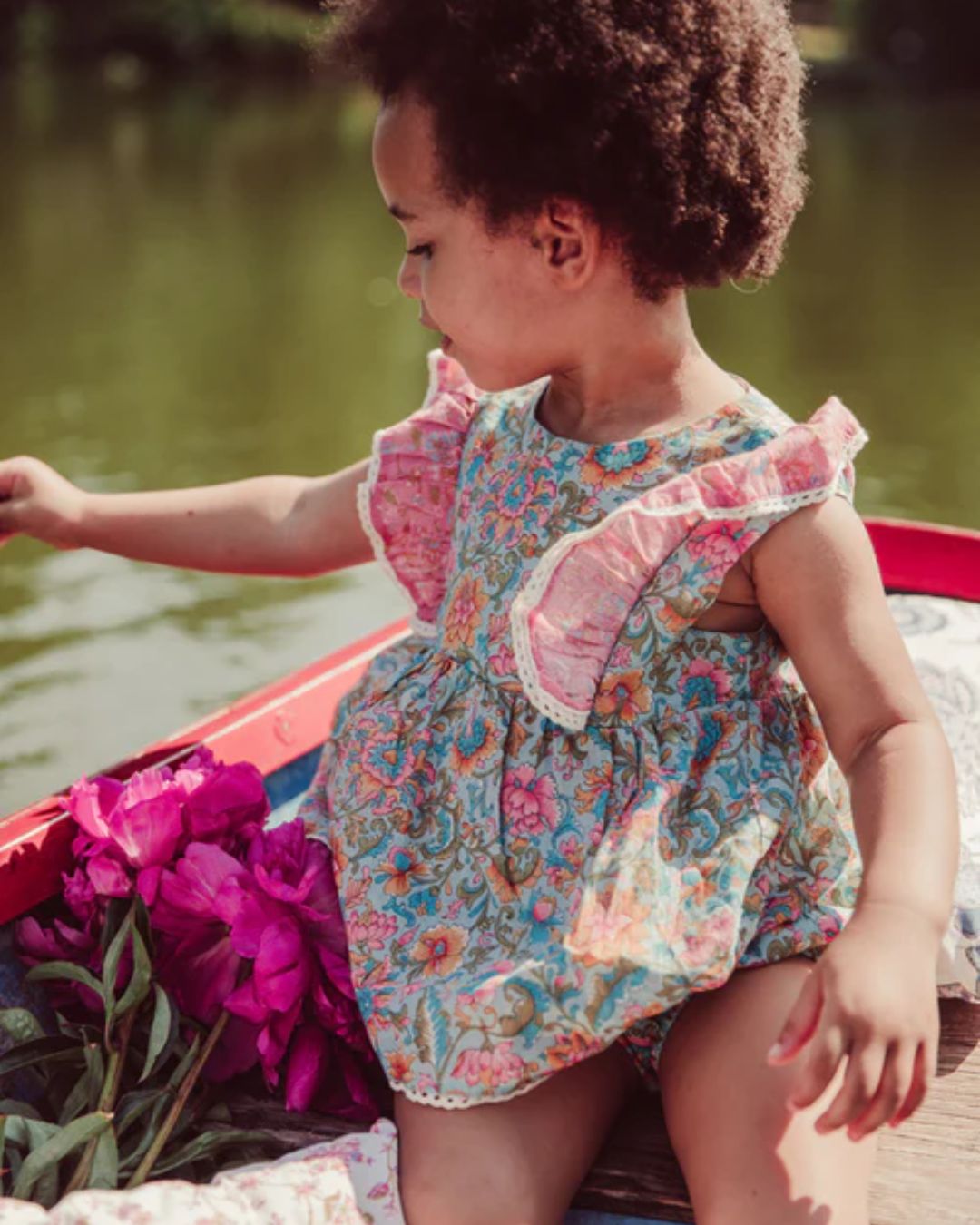
Our organic cotton baby rompers are customer favourites for their softness and durability. Available in beautiful prints like wildflowers, stars, and classic stripes, they're perfect for everyday wear and special occasions.
Bamboo Baby Essentials
Explore our bamboo clothing collection for ultra-soft, hypoallergenic options that are naturally antibacterial and moisture-wicking - ideal for Hong Kong's humid climate.
Gender-Neutral Options
Our gender-neutral baby clothes feature timeless designs in versatile colours, perfect for minimalist parents or those planning for multiple children.
Where to Buy Organic Baby Clothes in Hong Kong
Quick Answer: In Hong Kong, buy organic baby clothes from specialised sustainable retailers like MiliMilu that offer certified organic cotton, bamboo, and linen clothing with transparent sourcing. Look for GOTS or OEKO-TEX certifications and retailers focused on eco-friendly children's fashion.
Finding high-quality organic baby clothing in Hong Kong is easier than ever. Look for retailers that specialise in sustainable, eco-friendly children's fashion with certifications and transparent sourcing practices.
At MiliMilu, we offer a curated collection of organic cotton, bamboo, and linen baby clothing designed for comfort, safety, and sustainability. Every piece is carefully selected to meet the highest standards for your little one's delicate skin, with free shipping on orders over HKD 500 throughout Hong Kong and Singapore.

Start Your Organic Baby Clothing Journey Today
Choosing organic baby clothes is one of the best decisions you can make for your baby's health, comfort, and future. By selecting natural, chemical-free fabrics like organic cotton and bamboo, you're providing the gentlest care for your little one's sensitive skin while supporting sustainable practices.
Ready to build your sustainable baby wardrobe? Explore our organic baby essentials collection, from soft rompers to hypoallergenic bibs, all designed with your baby's wellbeing in mind.
Shop our collections:
- Organic Cotton Baby Rompers
- Organic Baby Bibs
- Organic Baby Hats & Accessories
- Bamboo Baby Clothing
- Gender-Neutral Baby Clothes

Comments