



5 Reasons Our Planet Loves What You Wear

Where style meets sustainability in Hong Kong
There is a quiet moment every morning when we open our wardrobe and, almost instinctively, reach for the pieces that match how we want to move through the day.
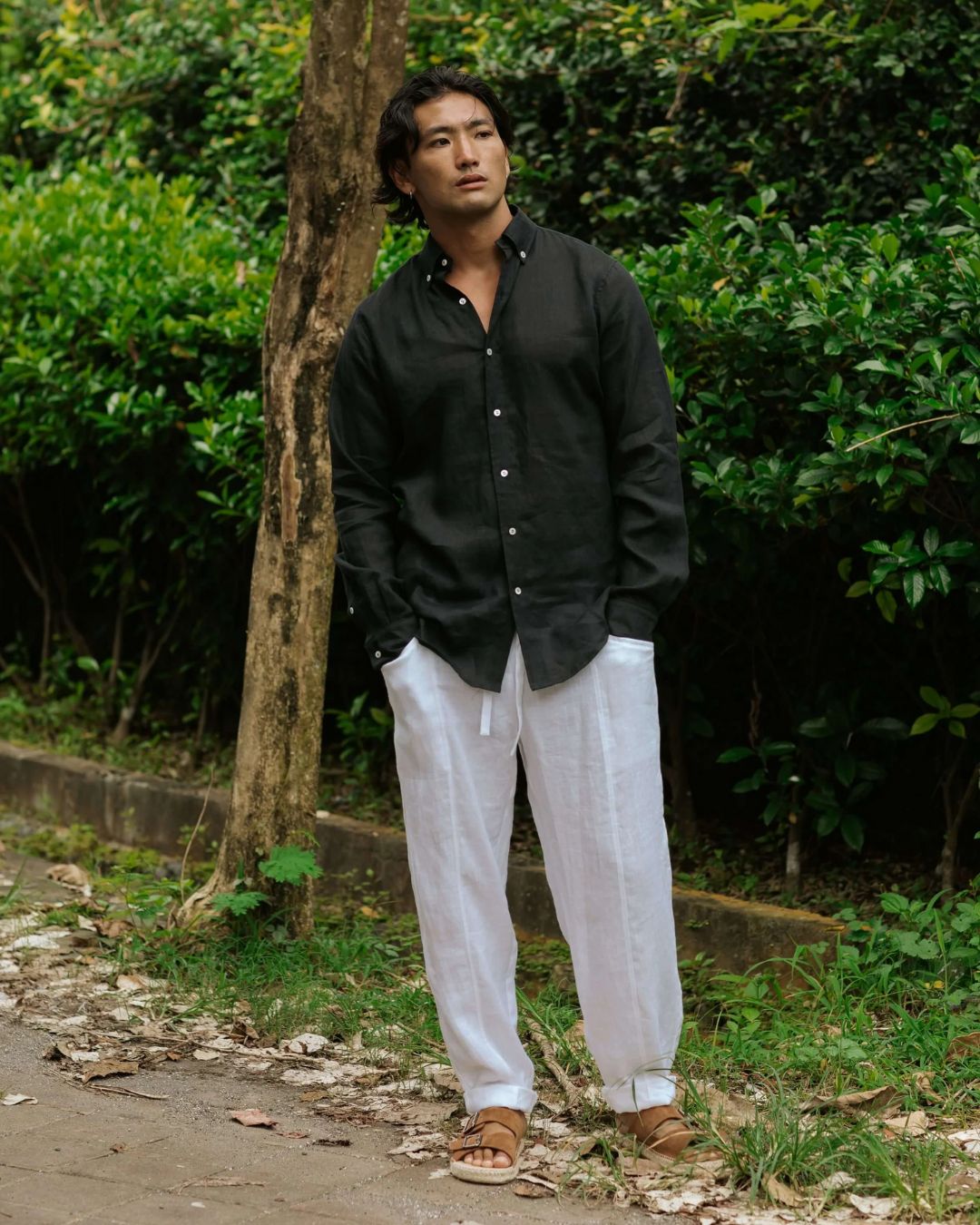
Maybe it's a soft linen dress that feels effortless on a warm afternoon, a timeless linen shirt that wraps us in comfort, or that favourite piece we keep returning to again and again because it simply feels right.
What's beautiful is that these choices are never only about style.
In a city like Hong Kong, where fashion and lifestyle move with intention, every piece we wear tells a story — not only about who we are, but also about the world we are part of. From the fabrics we choose to how our clothes are made and how long they remain in our wardrobes, each decision quietly leaves an imprint far beyond our closet.
And this is exactly why our planet responds to what we wear. At MiliMilu, we believe sustainable fashion is more than a trend; it's a shared journey toward more mindful living. When we choose eco-friendly clothing, embrace conscious fashion, and build an ethical wardrobe, we are taking small but meaningful steps that support both ourselves and the world around us.
So why does our planet truly love what you wear?
In this article, we explore five meaningful reasons our wardrobe choices matter — and how these simple, intentional decisions can create a lasting impact on the earth we all call home. In a city like Hong Kong, where fashion is part of everyday expression, these choices become even more meaningful. When style meets sustainability, every choice becomes part of a better future, because when we choose with awareness and care, the planet responds in kind.

1. Our Choices Make a Difference in Fashion Waste
One of the most meaningful choices in fashion begins long before a garment takes shape; it starts with the fabric.
Not all materials are created equally. Some require large amounts of water, energy, and chemical processing during production, while others are naturally gentler on the environment and more responsible in their lifecycle.
According to the United Nations Environment Programme, the fashion industry is responsible for 8–10% of global carbon emissions — more than all international flights and maritime shipping combined. When we choose sustainable fashion and eco-friendly clothing, we are also choosing to reduce environmental impact from the very beginning of a garment's journey.
In a fast-paced urban lifestyle like Hong Kong's, where wardrobes are often shaped by practicality, style, and limited space, these choices become even more significant. Selecting fewer but higher-quality pieces made from responsible materials supports a more intentional way of dressing. Natural, breathable cotton, soft linen, and responsibly sourced textiles do more than feel beautiful on the skin — they support a more conscious fashion cycle, one that values balance, care, and long-term sustainability.
At MiliMilu, every fabric choice is made with intention and awareness. We see fabric not just as material, but as the foundation of a more ethical wardrobe and a more mindful way of living. Because what touches our skin should also reflect respect for the earth. And when clothing begins with care, the planet truly feels the difference.
2. Timeless Pieces That Redefine Fast Consumption
Trends come and go, but true style stays with us. One of the most impactful sustainable fashion choices we can make is choosing timeless wardrobe staples — pieces that remain relevant season after season, rather than fading with short-lived trends.
Fast fashion often encourages a cycle of overconsumption: buying more, wearing less, and letting go quickly. It creates a rhythm of constant replacement rather than a lasting connection. The Ellen MacArthur Foundation estimates that the equivalent of one garbage truck of textiles is landfilled or incinerated every second globally — a sobering reminder of what fast consumption truly costs.
In a fast-paced city lifestyle where fashion is readily accessible and new styles constantly emerge, it becomes even easier to fall into this cycle of frequent consumption. Yet it also creates a growing awareness of the value of choosing differently.
But a more conscious fashion approach feels different. Instead of filling our wardrobes with pieces designed for a single moment, we begin to focus on versatile silhouettes and thoughtful designs that naturally move with our everyday lives.
A beautifully cut blouse that always feels appropriate.
A dress that transitions effortlessly from day to evening.
A neutral layering piece that can be styled in countless ways.
These are the kinds of pieces that stay with us — not because they demand attention, but because they quietly belong in our lives. At MiliMilu, our design philosophy is rooted in slow fashion lifestyle values: fewer pieces, better choices, and longer wear. We believe that when we choose with intention, we naturally create a more meaningful and ethical wardrobe.
Because the longer something is loved and worn, the less it needs to be replaced. And in that simple shift, our planet feels the difference deeply.

3. Ethical Fashion Supports People and Planet
Behind every garment, there is always a human story. It is about craftsmanship, design, skilled hands, time, and intention — all coming together to create something meaningful and lasting.
When we choose conscious fashion, we are choosing to care not only for the environment, but also for the people who are part of every step in the journey. From sourcing materials responsibly to ensuring thoughtful production practices, every decision shapes the impact a garment has beyond what we see on the surface.
Organisations like the Fair Wear Foundation and B Corp are setting global benchmarks for what ethical production truly looks like — standards that prioritise worker wellbeing, fair wages, and transparent supply chains.
In a global fashion city like Hong Kong, where style is highly valued and clothing moves quickly between trends and everyday life, this awareness becomes even more important. It invites us to look beyond appearance and appreciate the people and processes behind what we wear.
This is where ethical fashion becomes truly important. It supports slower, more intentional systems that value craftsmanship, reduce unnecessary pressure, and encourage a deeper respect for how things are made. At MiliMilu, we see every piece not simply as a product, but as part of a longer story — one that begins with design, is shaped by human hands, and continues in the everyday moments of our lives.
This more mindful approach to creation naturally supports a shift toward sustainable fashion — one that prioritises quality over quantity, and meaning over excess. Because when fashion respects people, it naturally becomes kinder to the planet as well.
4. Durable Clothing Promotes a Slow Fashion Lifestyle
One of the simplest, yet most powerful ways to reduce our fashion footprint is to wear our clothes longer. A well-made garment that stays in our wardrobe for years has a significantly lower environmental impact than multiple lower-quality pieces that need to be replaced over time.
This is where quality truly matters.
Strong stitching.
Thoughtful tailoring.
Timeless silhouettes.
Durable, carefully chosen fabrics.
These details are not just signs of craftsmanship — they are also quiet expressions of sustainable fashion. The WRAP Sustainable Clothing Action Plan found that extending the active life of clothing by just nine months reduces its carbon, water, and waste footprint by 20–30%. Because when clothing is made with intention and longevity in mind, it naturally supports a more mindful and responsible way of living.
In a fast-paced urban environment like Hong Kong, where fashion is constantly evolving and new pieces are always within reach, choosing durability becomes a conscious act of slowing down. It shifts the focus from constant replacement to long-term connection with what we already own.
Every piece designed to last helps reduce textile waste and decreases the constant demand for new production. In this way, durability becomes a gentle but meaningful part of a more slow fashion lifestyle. At MiliMilu, we create pieces meant to move with real life — not just a moment of it. The kind of clothing that becomes part of our everyday rhythm, worn on ordinary mornings, meaningful evenings, and all the small in-between moments that make up our days.
Because true sustainability is not always about buying more. Often, it is about slowing down and learning to truly love what we already have.

5. Conscious Fashion Inspires Better Everyday Habits
Conscious fashion doesn't stop at what we wear — it slowly becomes part of how we live. Over time, we begin to notice something subtle but powerful. The way we choose our clothing starts to influence the way we make decisions in other areas of life, too. It becomes less about impulse and more about awareness.
We start to understand what feels right for us — not just visually, but emotionally and practically as well. This is where a mindful wardrobe naturally begins to shape more mindful living. In a fast-moving, style-conscious environment like Hong Kong, where fashion choices are constantly visible and new trends are always within reach, this shift becomes especially meaningful. It encourages a pause — a moment to step back from impulse and reconnect with what truly fits our lifestyle and identity.
When we choose pieces with intention, we become more aware of quality, longevity, and purpose. We begin to pause before buying and ask ourselves more grounded questions:
Do I truly need this?
Will I wear it often?
Does it fit into the life I am actually living?
Will it still feel right beyond this moment?
These small reflections may seem simple, but they create a meaningful shift toward more conscious fashion choices and a more intentional everyday lifestyle. Fashion slowly becomes less about reacting to trends, and more about understanding ourselves.
This quiet awareness is especially relevant in cities where fashion is part of daily expression and identity — where what we wear often reflects not just style, but values and mindset. The McKinsey State of Fashion report consistently highlights that consumers — particularly in Asia-Pacific — are increasingly prioritising sustainability as a key purchasing factor, with Hong Kong shoppers among the most values-driven in the region.
At the heart of this transformation is the idea that clothing carries more than aesthetic value — it carries habits, choices, and the rhythm of our everyday life.
Because sustainable fashion is not only about the clothes we choose — it is about the habits we build, the awareness we grow, and the way we learn to move through life with more intention and care. And in that sense, what we wear becomes part of something much bigger than style. It becomes part of how we choose to live, every single day.

Final Thoughts
As we come to the end of these five reflections, we return to one simple truth: what we wear is never just about clothing. It is about the choices we make every day, and the quiet impact those choices have on the world around us.
From choosing sustainable fashion through mindful fabrics, to embracing timeless pieces instead of fast consumption, from supporting ethical production to investing in durable design and building more conscious everyday habits — each reason reminds us that fashion is never separate from the planet we live in.
In a city like Hong Kong, where fashion is deeply woven into daily life and personal expression, these choices feel even more present. In a place where style moves quickly and individuality is celebrated, the way we choose to dress becomes a powerful reflection of both identity and values.
These 5 Reasons Our Planet Loves What You Wear are not about perfection — they are about awareness. Small, intentional steps that slowly shape a more thoughtful relationship with our wardrobe and with the world.
At MiliMilu, we believe that building an ethical wardrobe is a journey we take together — one that evolves through curiosity, care, and everyday choices. It is not about doing everything at once, but about learning to choose better when we can.
Because when we embrace eco-friendly clothing and more conscious fashion, we are not only shaping our personal style — we are also contributing to a quieter, more meaningful shift in how fashion exists in cities like Hong Kong and beyond.
And perhaps the most beautiful part is this:
The planet responds to intention. It responds to care. It responds to what we wear. So as we close this story, we are reminded that every outfit is more than a look — it is a choice. And every choice, when made with awareness, becomes part of something bigger: a more thoughtful future for all of us.

Key Takeaways
As we reflect on everything we've explored, a few simple but powerful truths stay with us.
Here are the key takeaways we can carry forward:
-
Sustainable fashion begins with fabric.
Choosing eco-friendly clothing made from thoughtful, natural materials helps protect valuable natural resources from the very beginning. -
Timeless pieces matter more than trends.
When we choose clothing that lasts beyond seasons, we naturally reduce overconsumption and move away from fast consumption habits. -
Ethical fashion supports both people and the planet.
Every garment carries a human story, and conscious fashion ensures that story is rooted in care, respect, and responsibility. -
Durability is a form of sustainability.
Well-made clothing that stays in our wardrobe longer helps reduce waste and encourages a slower, more intentional fashion lifestyle. -
Conscious fashion shapes how we live.
The way we choose our clothes slowly influences our daily habits, guiding us toward more mindful, intentional living overall.

Frequently Asked Questions
What is sustainable fashion and why does it matter in Hong Kong?
Sustainable fashion refers to clothing that is designed, produced, and worn in ways that minimise harm to the environment and respect the people involved in making it. In Hong Kong, where fashion is a central part of daily life and urban identity, sustainable fashion matters because our choices as consumers directly influence global production systems. By choosing eco-friendly clothing made from natural materials like linen, organic cotton, and bamboo, Hong Kong shoppers can help reduce textile waste, lower carbon emissions, and support a more ethical global fashion industry.
What are the most eco-friendly fabrics to look for when shopping in Hong Kong?
When shopping for sustainable clothing in Hong Kong, look for natural, low-impact fabrics such as organic cotton, linen, bamboo, and TENCEL™ lyocell. These materials are grown or produced with significantly less water and fewer chemicals than conventional fabrics like polyester or standard cotton. At MiliMilu, we prioritise these responsible textiles across our women's and children's collections — because what touches your skin should also be kind to the earth.
How do I build an ethical wardrobe without buying everything at once?
Building an ethical wardrobe is a gradual journey, not an overnight transformation. Start by identifying the pieces you reach for most often and focus on replacing worn-out items with higher-quality, longer-lasting alternatives made from sustainable materials. Choose timeless silhouettes over trend-driven styles, and invest in versatile pieces that can be worn across multiple occasions and seasons. In a city like Hong Kong, where wardrobe space is often limited, a smaller, more intentional collection of well-made pieces is both practical and planet-friendly.
What is slow fashion and how is it different from fast fashion?
Slow fashion is a conscious approach to clothing that prioritises quality, longevity, and ethical production over speed and volume. Unlike fast fashion — which encourages frequent purchasing of low-cost, trend-driven pieces that are quickly discarded — slow fashion invites us to buy less, choose better, and wear our clothes for longer. It values craftsmanship, responsible sourcing, and a deeper connection to what we own. For shoppers in Hong Kong and across Asia-Pacific, embracing slow fashion is one of the most meaningful ways to reduce personal environmental impact while still dressing beautifully.
Where can I shop for sustainable women's and children's clothing in Hong Kong?
MiliMilu offers a curated collection of sustainable fashion for women and children in Hong Kong, including women's linen clothing, organic cotton basics, and bamboo essentials for babies and kids. Every piece is chosen with intention — designed to last, made from responsible materials, and styled to move effortlessly through real life. We ship across Hong Kong and Singapore, with a growing presence in Australia and beyond.


Comments