



11 Best Sensitive Skin Fabrics [Dermatologist-Tested for 2025]

After years of navigating my own sensitive skin challenges and watching my son battle severe eczema, I've learned which fabrics truly make a difference. This isn't just another list — it's what actually works when your skin reacts to everything.
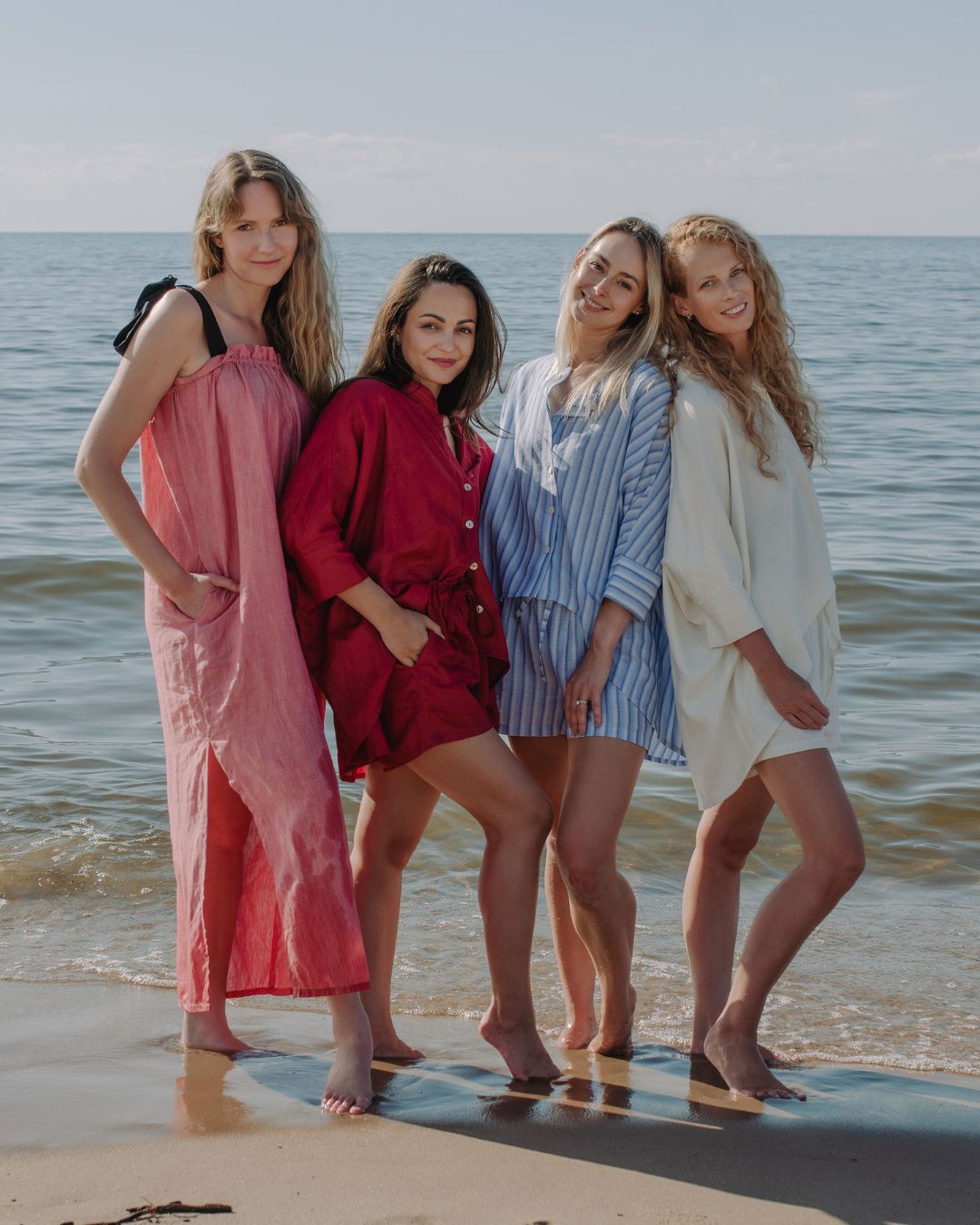
One of the main reasons MiliMilu Lifestyle focuses on eco-friendly fabrics is that they are gentle on both your skin and the environment, avoiding harsh chemicals that can affect our skin and overall health. Our skin is our largest organ and absorbs what we wear, which can impact our skin, general health, and hormones.

🌿 Shop Skin-Friendly Fabrics at MiliMilu
Dermatologist-recommended organic cotton, bamboo & linen clothing for the whole family — gentle on sensitive skin, kind to the planet.
Baby Rompers Women's Pyjamas Bamboo Clothing Shop New Arrivals →1. Cotton
Cotton earned its place as my go-to fabric through trial and necessity, not marketing promises. When my son's eczema was at its worst, organic cotton became our reliable constant. There's a reason dermatologists consistently recommend it — it simply works.
What makes cotton different for sensitive skin
Cotton's structure creates the perfect environment for reactive skin. Unlike synthetic fabrics that trap heat and moisture against your body, cotton allows air to move freely through its fibres — crucial for preventing the hot, sweaty conditions that trigger flare-ups. Cotton can absorb up to 27 times its weight in water, pulling sweat away from your skin rather than letting it sit there causing irritation.
Why cotton works for eczema
The National Eczema Society doesn't recommend cotton lightly. Here's what it brings to sensitive skin:
- Natural breathability that prevents overheating
- Moisture absorption without that clammy feeling
- Hypoallergenic properties that reduce reaction risks
- High-temperature washing (60°C+) capability to eliminate irritants
The organic cotton question
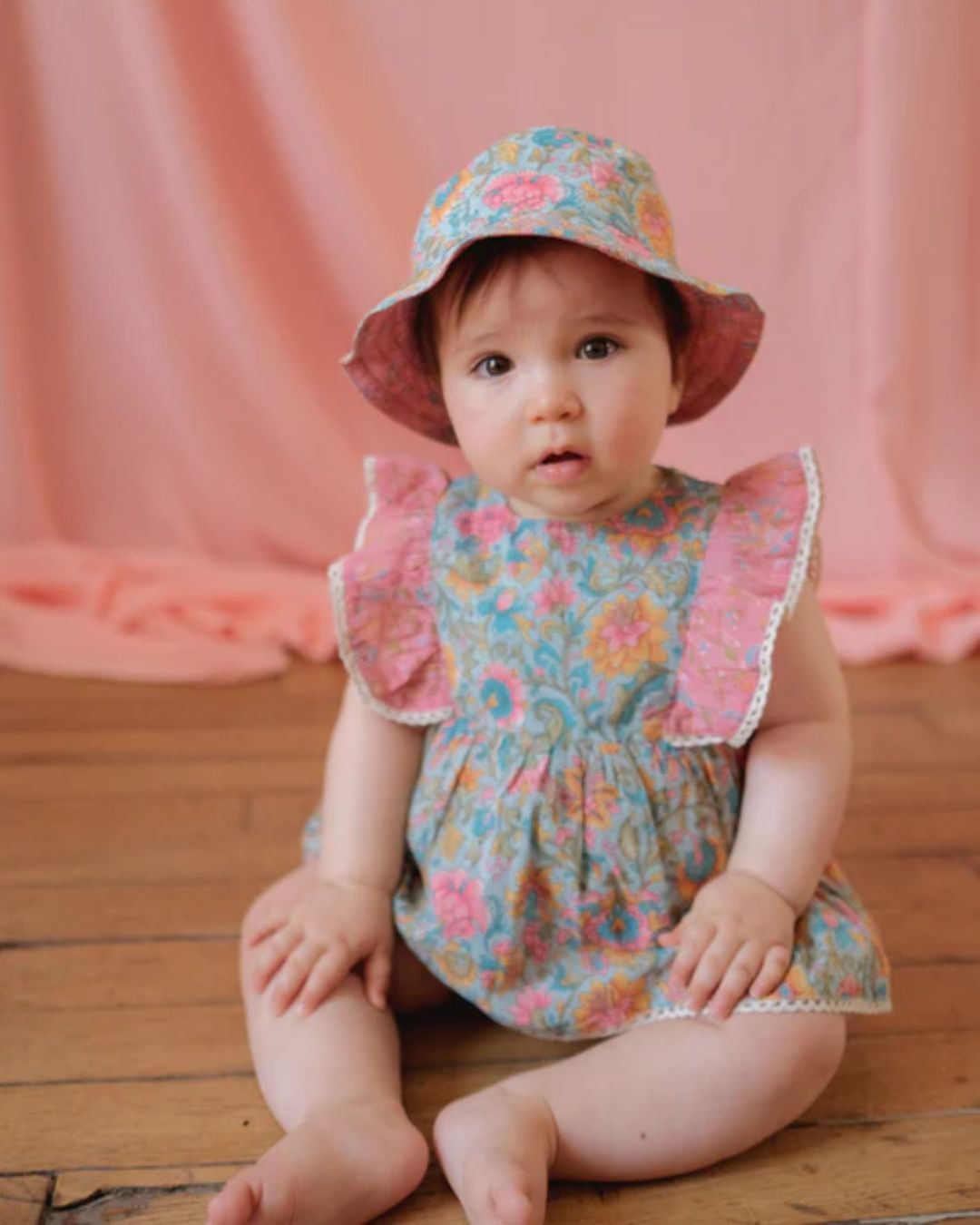
Organic cotton changes the equation entirely — no synthetic pesticides, no fertilisers, no genetically modified plants. Organic cotton farming uses 91% less water than conventional methods. Look for "100% cotton" labels and GOTS certification for the most sensitive skin. Shop our women's organic cotton pyjamas and baby girl rompers — all GOTS-certified.

2. Bamboo
Bamboo fabric intrigued me when I first heard about it. The truth is, bamboo's story is more complex than the marketing suggests — but in our experience, it has felt gentler than many other options we've tried.
How bamboo works for eczema-prone skin
- Superior moisture management: Bamboo absorbs up to three times its weight in water, drawing moisture away from the skin
- Temperature regulation: Helps maintain stable body temperature, preventing overheating that triggers eczema flare-ups
- Exceptional softness: Naturally smooth and round fibres, lacking the sharp edges that irritate sensitive skin
According to the Eczema Association, bamboo ranks as one of the most suitable fabrics for sensitive skin after cotton. Its breathability is 20% higher than cotton, with absorption capacity 60% greater — making it particularly valuable for moisture control.
🎋 Shop Our Bamboo Clothing Collection
Ultra-soft bamboo T-shirts and clothing for women and kids — naturally antibacterial and perfect for sensitive skin.
Shop Bamboo Clothing →
3. TENCEL™ / Modal
I'll admit, I was sceptical about TENCEL™ at first. But sometimes being wrong feels really good. TENCEL™ comes from wood pulp — eucalyptus, beech, and spruce trees from sustainably managed forests. The manufacturing process uses a closed-loop system that recovers and reuses 99.8% of the solvent.
Why TENCEL™ works for sensitive skin
The exceptionally smooth surface minimises friction against skin, meaning less irritation and fewer triggers for eczema flare-ups. TENCEL™'s moisture-wicking capabilities help maintain a dry skin environment, preventing bacterial growth that can worsen skin conditions. Studies show patients with atopic dermatitis experience less redness and itching when wearing TENCEL™ clothing. It also uses 50% less carbon emissions and water than generic lyocell and modal fibres.

4. Silk
Silk has a reputation for being fancy and impractical, but it's one of my secret weapons for sensitive skin. The fibres are incredibly smooth — they don't create friction that worsens sensitive skin. This natural protein fibre repels common allergens like dust mites, mould, and bacteria. The Journal of Dermatology found that silk clothing reduced itching and redness better than cotton and synthetic fabrics in patients with atopic dermatitis.
Silk care tips
- Hand wash with gentle, pH-neutral detergent
- Never use bleach — it destroys the fibres
- Air dry only, away from direct sunlight
- Look for "mulberry silk" and OEKO-TEX certification

5. Linen
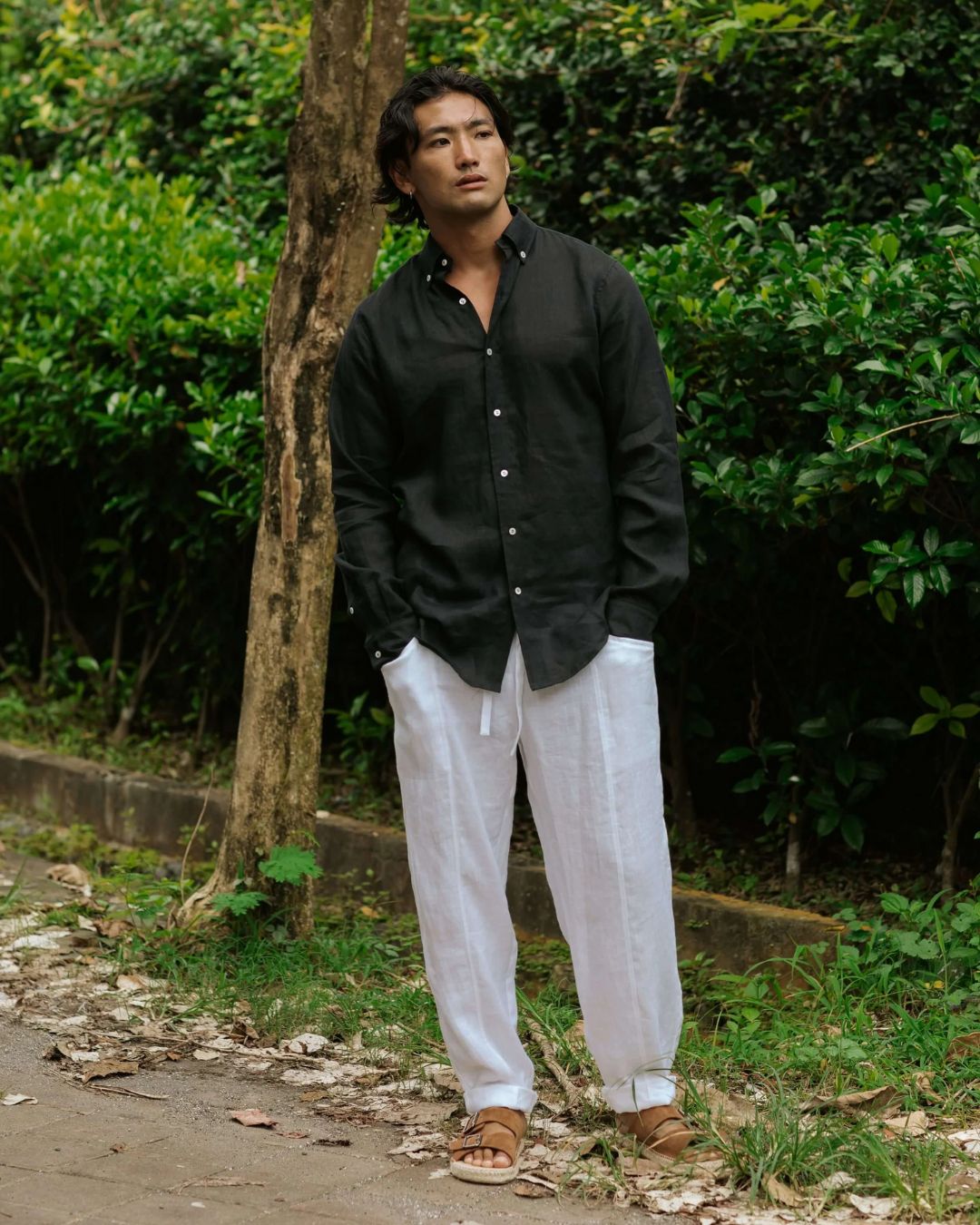
Linen's loose weaves and natural fibres create excellent air circulation that keeps skin comfortable even on humid Hong Kong and Singapore days. It absorbs moisture without that clammy feeling, and its hypoallergenic properties naturally resist bacteria, mould, and dust mites. Best of all — it gets softer with every single wash.
Finding linen that works for sensitive skin
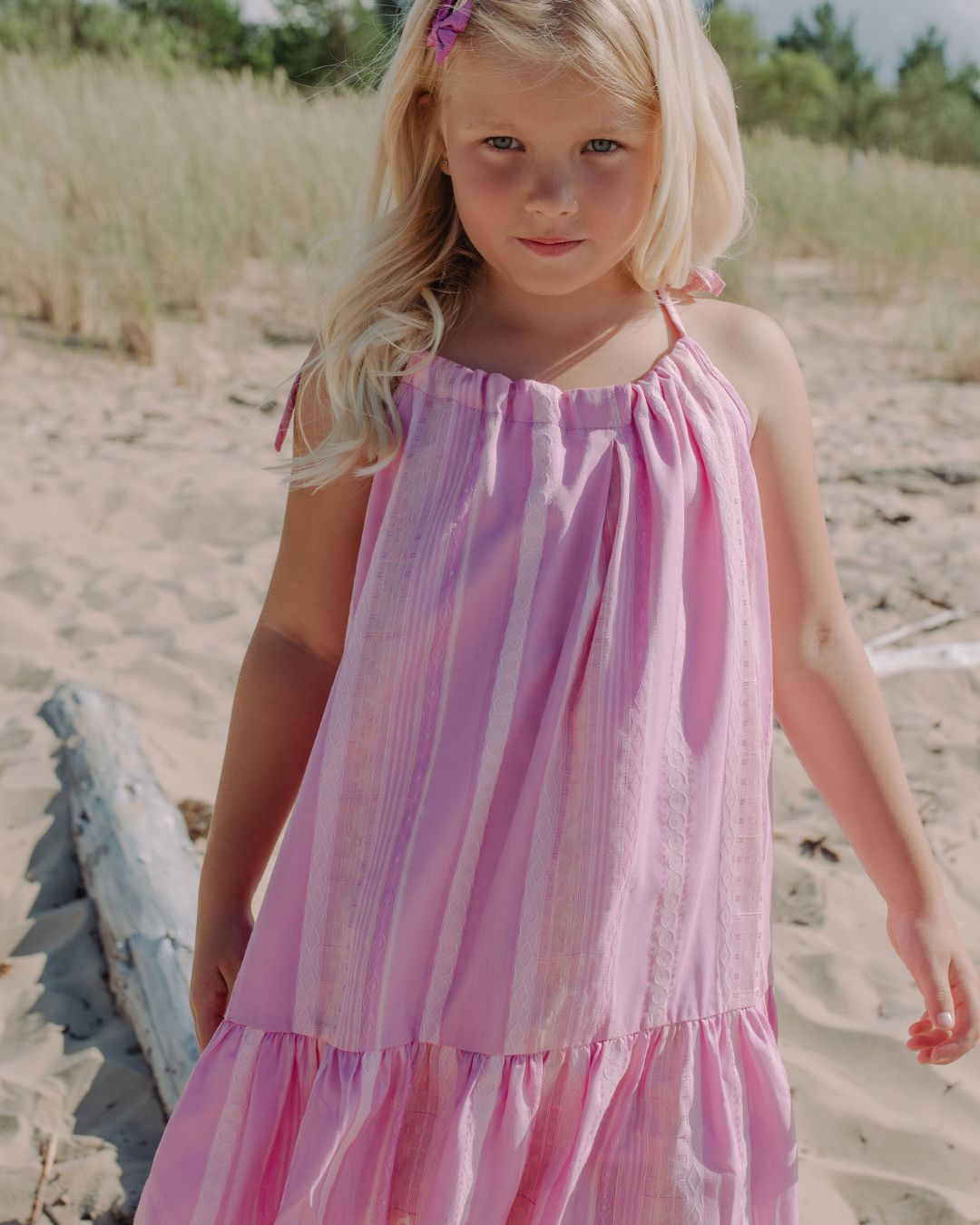
Look for homeware-grade linen with long, fine fibres and OEKO-TEX Standard 100 certification (Class 1 is safe even for babies). Browse our full range of women's linen clothing, linen dresses, and kids linen clothing — all made with skin-safe, certified fabrics.
👗 Explore Our Linen Collection
Breathable, hypoallergenic linen clothing for women and kids — perfect for Hong Kong and Singapore's humid climate.
Women's Linen Kids Linen Linen Dresses
6. DreamSkin® Technology Fabric
DreamSkin® is a unique polymer technology coating applied to fabrics that mimics how healthy skin behaves. The base fabric is typically a blend of TENCEL and cotton (47% TENCEL, 48% cotton, 5% elastane). Clinical trials showed over 40% better cell survival when exposed to irritants compared to regular fabric, and a moisture recovery rate three times higher than untreated materials. The British Skin Foundation has endorsed these products, and they work best in sleepwear and undergarments for direct, extended skin contact.

7. Organic Hemp
Hemp was the fabric I was most skeptical about. Here's what surprised me — it actually gets better with time. Hemp is three to eight times stronger than cotton, but it "wears in" beautifully. After just 3–4 washes you notice the difference; by the tenth wash it's completely transformed. Hemp absorbs up to 25% of its weight in moisture while still feeling dry, naturally blocks 99.9% of harmful UV rays, and requires 80% less water than conventional cotton.

8. SeaCell™
SeaCell™ combines cellulose fibres with Ascophyllum nodosum seaweed through a patented Lyocell process — with 99.8% of solvents recycled. The seaweed contains vitamins, trace elements, amino acids, and minerals that transfer to the skin through natural moisture exchange, helping activate cell regeneration, reduce inflammation, and soothe itchiness. It's carbon neutral, completely biodegradable, and holds both the EU Ecolabel and OEKO-Tex Standard 100 certification for baby products.

9. Ultra-Fine Merino Wool
For years, I avoided anything wooly for my son's eczema-prone skin. But discovering ultra-fine Merino wool was a revelation. Ultra-fine Merino measures less than 17.5 microns in diameter — these super-fine fibres bend instead of poking, feeling completely different against sensitive skin. One study in the British Journal of Dermatology showed children with eczema actually improved when wearing superfine Merino compared to cotton. Always do a patch test first, and look for products specifically labelled 17.5 microns or less.

Worst Fabrics for Sensitive Skin
Synthetic fabrics like polyester, nylon, acrylic, and spandex are essentially plastic against your skin — hydrophobic, trapping heat and moisture. Formaldehyde resins used for wrinkle resistance are among the most common clothing allergens. Azo dyes in synthetic fabrics can transfer onto your skin through sweat. My personal rule: always read labels. Anything marked "non-iron" or "dirt-repellent" usually contains chemical treatments that spell trouble for sensitive skin. And always wash new clothes before wearing.
Quick Reference Guide
|
Fabric |
Best For |
Key Benefit |
Shop at MiliMilu |
|---|---|---|---|
|
Organic Cotton |
Every day wear, eczema flare-ups |
Hypoallergenic, hot-wash safe |
|
|
Bamboo |
Night clothes, hot weather |
Antibacterial, 20% more breathable than cotton |
|
|
TENCEL™/Modal |
Night sweats, temperature-sensitive skin |
50% better moisture absorption than cotton |
|
|
Linen |
Hot, humid climates (HK, SG) |
Hypoallergenic, gets softer with every wash |
|
|
Silk |
Nighttime, worst flare-ups |
Zero friction, repels allergens |
|
|
Organic Hemp |
Long-term wear, sun protection |
Blocks 99.9% UV, 80% less water than cotton |
|
|
Ultra-Fine Merino |
Cooler months, temperature regulation |
Clinical eczema improvement studies |
My honest take: Cotton and linen remain my go-to for everyday reliability — especially in Hong Kong and Singapore's humidity. Bamboo wins for comfort during summer. TENCEL™ surprised me with how soft it is. Silk is irreplaceable for the worst flare-up nights. Each fabric serves different needs in our sensitive skin journey.

What I've Learned About Fabrics and Sensitive Skin
This journey with sensitive skin has taught me so much more than I expected. What began as a desperate search for relief for my son's eczema became a deeper understanding of how the clothes we choose affect not just our comfort, but our overall well-being. Cotton and linen became our reliable friends — soft, breathable, and forgiving. Bamboo surprised me with its cooling properties during those hot summer days. TENCEL™ showed that innovation in textiles can genuinely benefit sensitive skin conditions.
The environmental aspect of our fabric choices has become equally important to me. Choosing organic cotton over conventional, supporting hemp cultivation, or investing in TENCEL™'s closed-loop production — these decisions reflect our values about the world we want to leave for our children.
FAQs
Q1. What are the top fabric choices for people with sensitive skin? The best fabrics for sensitive skin include organic cotton, bamboo, TENCEL™/Modal, silk, linen, and ultra-fine Merino wool. These natural fibres are breathable, hypoallergenic, and less likely to cause irritation compared to synthetic materials. Browse MiliMilu's full range of women's linen and bamboo clothing.
Q2. How does organic cotton differ from conventional cotton for sensitive skin? Organic cotton is grown without synthetic pesticides or fertilizers, resulting in a purer final product with fewer potential skin irritants. It also uses 91% less water than conventional cotton farming. Shop our organic cotton baby rompers and women's organic cotton pyjamas.
Q3. Can wool be suitable for sensitive skin? Ultra-fine Merino wool with fibres less than 17.5 microns in diameter can be suitable for sensitive skin. Unlike coarser wools, these fine fibres bend easily and don't cause the prickling sensation associated with traditional wool.
Q4. What fabrics should people with sensitive skin avoid? Avoid synthetic fabrics like polyester, nylon, and acrylic, as well as fabrics treated with wrinkle-resistant or dirt-repellent chemicals. These materials trap heat and moisture, leading to increased skin irritation.
Q5. How important is proper fabric care for sensitive skin? Crucial. Use fragrance-free detergents, double-rinse clothes, and always wash new garments before wearing to eliminate residual chemicals that might trigger reactions.

Ready to Make the Switch to Skin-Safe Fabrics?
Browse MiliMilu's full range of organic cotton, bamboo & linen clothing for babies, kids & women — sustainably made, gentle on sensitive skin, shipped to Hong Kong, Singapore & Australia.
Shop New Arrivals → Women's Linen Bamboo Clothing Baby RompersReferences
[1] - Cotton Characteristics Guide
[2] - National Eczema Society — Clothing & Eczema
[3] - Why Natural Fabrics Are Good for Sensitive Skin
[4] - Organic Cotton vs Conventional Cotton
[5] - PMC — Textile Research
[6] - Bamboo Fiber Antibacterial Effect Review
[7] - TENCEL™ Fibers
[8] - TENCEL Fiber Properties & Manufacturing

Comments