

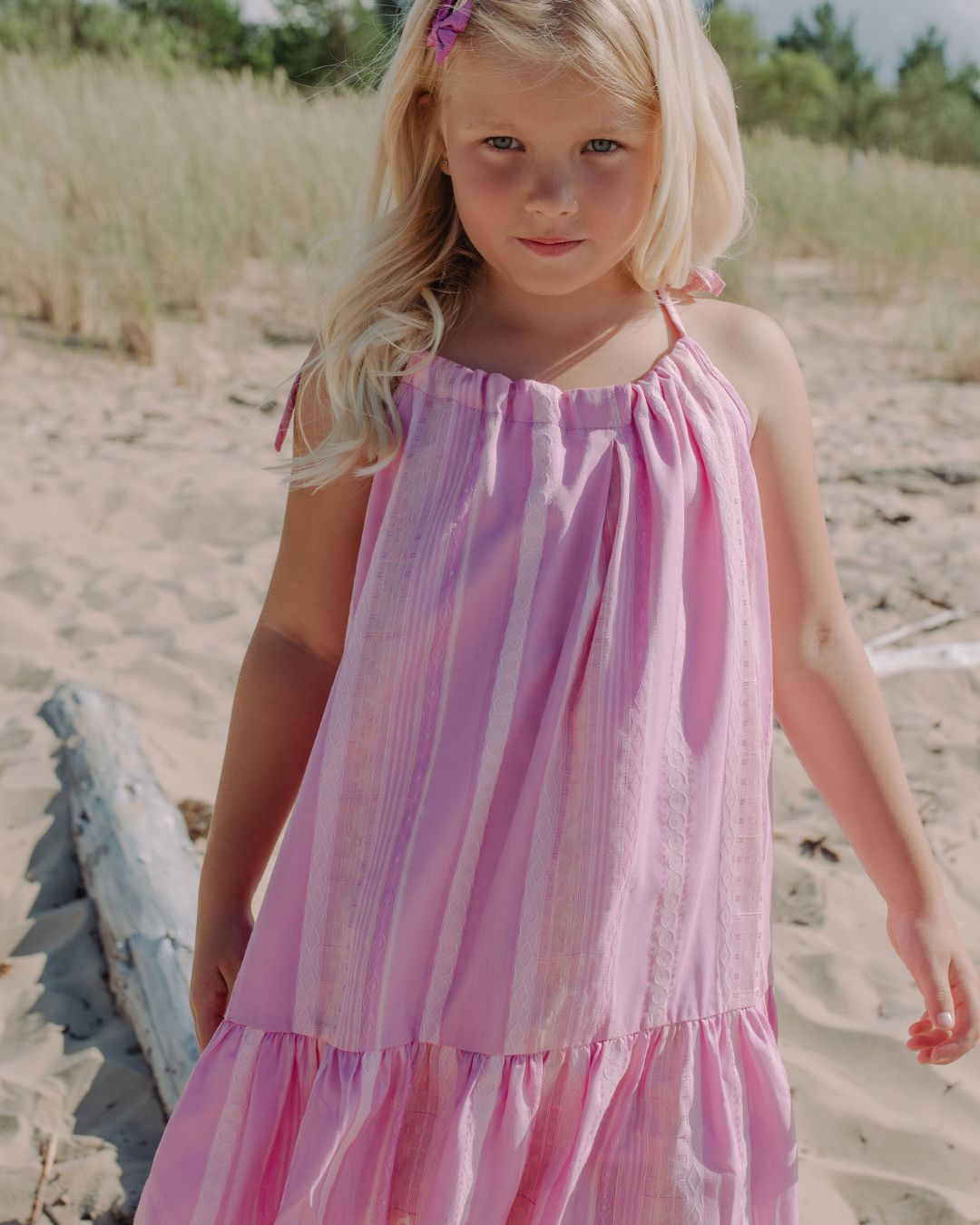







Skin-Safe Fashion Guide: Why Fast Fashion May Be Irritating Your Skin And What to Wear Instead

What I've Learned About Protecting Your Skin.
Over the years, helping my kids with their delicate skin taught me more than any guide ever could. From choosing the softest clothes to avoiding hidden irritants, I’ve learned which fabrics and treatments really make a difference and which ones can cause unnecessary skin irritation. Along the way, Milimilu has become my little guide to navigating textile chemicals, discovering gentle eco fabrics, and making smarter choices that also support sustainable fashion.
Here’s what makes the biggest difference:
-
Natural fabrics are your friends: Organic cotton, linen, bamboo, TENCEL™, and hemp let skin breathe properly and are free from harsh textile chemicals that often trigger irritation. Milimilu always reminds me to start here.
-
Those little certification labels matter: OEKO-TEX® Standard 100 and GOTS mean the fabric was tested for over 350 harmful substances, protecting your family’s skin while supporting sustainable fashion.
-
Skip “easy care” treatments: Wrinkle-resistant and stain-proof finishes may sound convenient, but they’re often loaded with formaldehyde and other textile chemicals that can irritate sensitive skin.
-
How you wash matters too: Fragrance-free detergents, extra rinse cycles, and skipping fabric softeners prevent irritating residues from building up, keeping your natural eco fabrics gentle and safe.
-
Start small with smart choices: You don’t need to replace everything at once, focus on versatile pieces made from certified natural fabrics. Even small shifts, like organic cotton underwear, can make a big difference.
What gives me hope is seeing how sustainable fashion is evolving! More brands are being transparent about the textile chemicals in their clothes, and new bio-based eco fabrics are emerging that truly benefit your skin. Sometimes the smallest changes make the biggest impact on sensitive skin.
Sometimes the smallest changes make the biggest impact on sensitive skin. That’s what inspired me to create Milimilu in the first place, to make safer, gentler choices feel simple and accessible for families like ours.

What Your Clothes Are Really Doing to Your Skin
Your clothes touch your skin almost all day long. That’s a closer relationship than we think and it matters, especially for sensitive skin.
Every fabric creates a small environment against your body. Heat builds up, moisture gets trapped, and friction happens in delicate areas. Add to that the presence of textile chemicals from dyes or “easy care” treatments, and it’s easy to see how regular clothing can contribute to skin irritation.
That’s why fabric choice isn’t just about style. Breathable, certified eco fabrics reduce exposure to harmful substances and support your skin barrier. Choosing them isn’t only part of sustainable fashion, it’s a practical step toward everyday comfort.
What you wear isn’t neutral. It either supports your skin or challenges it.
Your Skin and Your Clothes. A Relationship That Matters More Than You Think
Have you ever noticed how a beautiful new shirt can sometimes leave you itchy, while another fabric feels instantly calming? There’s a reason for that.
Your skin is in constant contact with clothing, almost every hour of the day. That makes fabric one of the most intimate and overlooked influences on your comfort. The materials you wear, the textile chemicals used in processing them, and the finishes added for “easy care” can all contribute to unexpected skin irritation.
Choosing breathable, certified eco fabrics helps reduce unnecessary exposure to harmful substances while supporting your skin barrier. And when those choices align with sustainable fashion, you’re not only protecting your skin, you’re making a conscious decision for long-term well-being.
It’s more than just style. It’s a daily relationship your skin never takes a break from.
Why your sensitive skin rebels against certain fabrics
Sensitive skin isn’t just about being “a bit fussy.” It’s a real physiological condition. When your skin barrier (the stratum corneum) is thinner or more easily compromised, irritants penetrate faster, leading to redness, itching, and discomfort.
Now think about this: every time fabric touches your skin, a small “microclimate” forms between your body and your clothes. Heat builds up. Moisture collects. Friction happens. For reactive skin, even minor changes in this environment can trigger irritation.
Texture and fabric construction matter more than we realize. Rough fibers, synthetic materials, and tight weaves create constant friction and trap heat. Polyester and other non-breathable fabrics can increase sweating, while tight clothing blocks airflow. Add rough seams or scratchy labels, and your skin is under continuous stress.
For anyone dealing with eczema or dermatitis, the wrong fabric can quickly trigger the itch–scratch cycle.
Sensitive skin isn’t overreacting, it’s responding to what it’s exposed to. And what you wear plays a bigger role than you think.
There’s more to your clothes than just how they feel, modern textiles carry a hidden chemical story. Production, dyeing, and finishing processes leave residues that your skin can absorb without you realizing it.
Formaldehyde resins create “wrinkle-free” and “easy care” finishes but can trigger allergic contact dermatitis, redness, scaling, and intense itching. Even antimicrobial treatments can disrupt your skin’s natural microbiome.
Textile dyes, especially azo and disperse dyes in synthetic fabrics, can transfer to your skin when you sweat, causing allergic reactions.
Your body absorbs these chemicals in several ways:
-
Direct absorption through thin or compromised skin
-
Sweat-enhanced transfer, where moisture draws chemicals from fabrics
-
Friction-driven penetration as the movement rubs particles deeper
These substances can disrupt your skin’s natural pH, making irritation more likely. Over time, repeated exposure may even sensitise your immune system, causing reactions to fabrics that never bothered you before.
Understanding this hidden chemical layer is key to choosing clothing that supports your skin health, while still letting you enjoy comfort and style.

The Hidden Ways Your Clothes Affect Your Body
I know this might sound a bit alarming, but I think it's important we talk about something that most of us never really consider. Our clothes aren't just sitting on our skin doing nothing. They're actually interacting with our bodies in ways that can really matter, especially if you have sensitive skin like I do.
Every day, the fabrics we choose become part of our personal environment. Unlike those occasional exposures to environmental toxins we hear about, our clothing chemicals are with us constantly, touching our skin, moving with us, even affecting the air we breathe at home.
How chemicals move from fabric to your body
Your skin isn’t just a barrier; it’s a selective filter. When your clothes are treated with textile chemicals, these substances can migrate from fabric into your body through dermal absorption. Research shows that some compounds in textiles can enter sweat and then penetrate the skin at levels up to 390 times higher than previously reported.
This process intensifies under everyday conditions: When you sweat: Perspiration acts like a solvent, pulling chemicals from fibers and helping them penetrate deeper.
-
During movement, Rubbing between fabric and skin drives particles into your skin layers.
-
In warm conditions, Heat opens pores and accelerates absorption.
-
If your skin barrier is compromised: People with eczema, psoriasis, or other sensitivities face higher risks of skin irritation.
Dye molecules, finishing agents, and preservatives can accumulate in friction-prone areas or spots where you tend to sweat most. Synthetic fabrics often release these compounds more readily than natural fibers, which is why choosing certified eco fabrics can make a big difference.
By prioritizing safer materials and being aware of what goes into your clothes, you’re not just protecting your skin, you’re supporting sustainable fashion practices that reduce harmful chemical exposure for everyone.

The invisible particles we breathe from our clothes
Here's something that really surprised me when I first learned about it. Beyond what gets absorbed through your skin, clothing chemicals also enter our bodies when we breathe. As our garments wear and move with us, they shed tiny fibers that float in the air around us. Research shows that people inhale at least 13,000 to 68,000 household dust microfibers from textiles every year.
These aren't just harmless fabric bits; they carry all sorts of substances with them. Formaldehyde, used in wrinkle-resistant fabrics, gradually releases into the surrounding air. Every breath we take at home can include these chemicals entering our respiratory system and potentially reaching our bloodstream through our lungs.
The risks are highest for textile workers, with studies showing that 35.6% suffer from lung conditions caused by inhaling textile dust, and worldwide, this affects up to 40% of textile workers. Even more concerning, microscopic examination has found synthetic fibers in all regions of human lungs, proving these particles can penetrate deep into our respiratory tissues.
These tiny fibers carry chemical additives, volatile compounds, bacteria, and fungi that can affect our respiratory health. While everyday consumers face lower concentrations than workers, we're still exposed daily in our homes and workplaces.
What long-term exposure really means
Ongoing contact with textile chemicals can be more serious than it seems. Unlike immediate reactions, chronic exposure builds gradually and may go unnoticed for years. Some clothing chemicals, like PFAS used for water- and stain-resistant finishes, can persist in the body and have been linked to immune disruption and even cancer.
Infants face higher risks, with exposure to microfibers about ten times greater than that of adults. Their developing systems are more sensitive, making skin irritation and chemical effects a real concern. We’re rarely exposed to just one chemical at a time. Modern fabrics contain complex mixtures that may act together over hours of daily wear.
This is why many are choosing eco fabrics and minimally processed materials. Breathable, certified natural fibres reduce chemical exposure, protect against skin irritation, and support sustainable fashion for a healthier future.

The fabrics that actually care about your skin.
You know that feeling when a piece of clothing just feel right against your skin? That’s not an accident. After years of managing my family’s sensitive skin, I’ve learned that the right fabrics can completely change how comfortable you feel.
Truly skin-friendly fabrics are free from harsh textile chemicals, made from natural eco fabrics, and gentle enough to reduce skin irritation. They work with your body rather than against it, making them ideal for eczema, sensitive skin, or anyone who wants clothes that feel amazing.
Choosing these fabrics also supports sustainable fashion, protecting both your skin and the planet. Simple, breathable, and thoughtfully made pieces make every day a little more comfortable.
The fabrics that finally made me and my kid’s skin happy.
After years of searching, testing, and yes, driving my family a little crazy with my fabric obsession, I’ve finally discovered materials that truly work for sensitive skin. These aren’t just theoretical recommendations; these are fabrics that have genuinely transformed how comfortable our clothes feel, for both my little ones and me.
1. Organic Cotton: Our absolute favorite for good reason
Organic cotton will always hold a special place in my heart. Unlike conventional cotton, which accounts for 16% to 25% of the world's pesticide use despite occupying only 2.5% of global agricultural land, organic cotton grows without all those synthetic pesticides and fertilisers.
What I love most about organic cotton is how it breathes! It creates this wonderful air circulation that prevents those hot, sticky moments that make sensitive skin flare up. The fact that it can absorb up to 27 times its weight in water means it actually wicks moisture away from your skin, which is amazing for anyone dealing with eczema or dermatitis.
The National Eczema Society recommends cotton because you can wash it at high temperatures (60°C+), which gets rid of allergens and any leftover creams that might cause problems. This is exactly why we love working with organic cotton at MiliMilu!

2. Bamboo: Naturally brilliant for sensitive souls
I have to admit, I was sceptical about bamboo fabric at first. But its softness won me over completely! Studies show that bamboo fiber exhibits antibacterial efficacy against bacteria like E. coli and S. aureus, with about 70% bacteria destruction rates.
This comes from something called "kun" though scientists still debate how effective it really is. What's undeniable is bamboo's moisture management, it absorbs up to three times its weight in water and breathes about 20% better than cotton.
For nightwear, especially, bamboo's temperature-regulating properties are wonderful. It prevents that overheating that often triggers eczema flare ups, and the smooth texture feels so gentle against reactive skin.
3. TENCEL™: The smooth operator
TENCEL™ has become one of our go-to recommendations! Made from sustainably sourced wood pulp (usually eucalyptus), it uses this clever closed-loop process that recycles 99.8% of solvents. The surface is incredibly smooth, reducing friction on sensitive skin.
Studies show patients with atopic dermatitis had less redness and itching when wearing TENCEL™. It absorbs 50% more moisture than cotton, which helps keep skin dry and prevents bacterial growth that can make sensitivity worse.
Plus, it has EU Ecolabel recognition and OEKO-TEX® STANDARD 100 certification, so you know it's free from harmful substances. Perfect for anyone with chemical sensitivities!
4. Hemp: Gets better with age (just like us!)
Hemp is fascinating. its fibers are three to eight times stronger than cotton, but beyond that toughness, it's naturally hypoallergenic and antibacterial.
Here's what I find amazing about hemp, it actually improves with age! Unlike most fabrics that get rougher over time, hemp softens with each wash while staying strong. At first it feels a bit stiff, but after 3-4 washes you'll notice the difference, and by the tenth wash it's completely transformed.
Hemp also blocks 99.9% of harmful UVA and UVB rays, providing additional protection for your skin. Its breathable structure prevents skin problems in hot, humid conditions, and it uses 80% less water to produce than conventional cotton. Sustainability and skin health together!

5. Linen: Light, airy, and naturally healing
Linen's loose weave creates beautiful air circulation, so no more sticky, trapped feelings that trigger irritation. Even in humid weather, it keeps you feeling comfortably dry without that clammy sensation.
Something interesting, linen fabric has tiny breaks that actually massage your skin as you move, potentially improving circulation. And despite starting out a bit rough, it becomes incredibly soft with washing as the natural pectin in flax fibers dissolves.
The natural hypoallergenic properties resist bacteria, mold, and dust mites, all those common reaction triggers. This makes it especially beneficial during summer, when sweating often worsens eczema symptoms.
6. Modal: Smooth as silk, gentle as cotton
Modal, made from beechwood pulp, offers this exceptionally smooth texture that sensitive skin adores. It's semi-synthetic, so you get benefits from both natural and synthetic materials without the drawbacks.
The moisture management is remarkable absorbing 50% more moisture than cotton while staying dry to the touch. This cooling effect makes it perfect for hot weather or active days.
Modal is naturally hypoallergenic and non-irritating, and the production process typically uses fewer chemicals than many synthetics, which means fewer potential irritants for reactive skin.
7. Silk: Nature's luxury that actually helps
Silk's smoothness comes from its unique protein structure, fibroin and sericin, with sericin being naturally infection-resistant. It repels dust mites, mold, and bacteria that often trigger reactions.
The Journal of Dermatology found that silk reduced itching and redness better than cotton and synthetics in people with atopic dermatitis. It creates what dermatologists call a "natural thermostat" effect, preventing the overheating that triggers flare-ups.
Unlike cotton that absorbs moisture, silk lets your skin keep its natural oils. This is especially useful for pillowcases and nightwear during difficult patches when even cotton can feel irritating.
8. Alpaca: Wool's gentle cousin
For those who can't handle regular wool, alpaca is a beautiful alternative. Unlike sheep's wool, alpaca doesn't contain lanolin, that common allergen. This makes it naturally hypoallergenic.
The fiber diameter is incredibly fine (15-25 microns), which eliminates that "prickle factor" from coarser wools. The hollow structure provides amazing insulation while staying lightweight - 20% more thermal insulation than merino wool.
What's perfect for sensitive skin is that alpaca only absorbs 11% of its weight in moisture compared to merino wool's 30%, helping maintain those drier conditions that minimize irritation.
These fabrics have truly changed how we think about clothing and comfort. Each one offers something special for sensitive skin, and finding the right ones for you can make such a difference in your daily comfort!

The Fabrics We Need to Talk About. The Ones That Don't Love Us Back
This part might not be the most fun to discuss, but it’s important to be honest about fabrics that can irritate sensitive skin. It’s easy to get swept up in trends and convenience, yet some popular materials can quietly work against your skin health, often without you even realising it.
What to Avoid
Not all fabrics are created equal. Some can quietly work against your skin, causing skin irritation without you realizing it.
Clothes treated with harsh textile chemicals, synthetic dyes, wrinkle-resistant finishes, or stain-proof coatings, are common culprits. Rough fibers, tight weaves, and synthetic blends can trap heat and moisture, triggering irritation. Knowing what to avoid makes it easier to focus on fabrics that truly care for your skin.
Polyester and synthetic blends - the tricky ones
You know those super convenient, wrinkle-free pieces in your closet? The ones that seem perfect for busy lifestyles? Well, here's the thing about polyester and synthetic blends, they might be easy care, but they're not so easy on your skin.
These fabrics essentially create a little heat trap against your body. They don't breathe the way natural fibers do, which means heat and sweat get stuck right where you don't want them. Up to 20% of people experience some form of contact dermatitis from fabrics, with polyester being a primary culprit. That's one in five people!
When your skin reacts to synthetic fabrics, it might show you this:
-
Skin irritation that feels like burning or stinging
-
Redness and that uncomfortable itching sensation
-
Swelling and peeling in areas where clothes rub
-
Dry, scaly patches that seem to appear out of nowhere
-
In severe cases, even blisters
What makes it worse? Tight-fitting synthetic clothing creates friction against your skin, especially in areas where you move a lot or tend to sweat. And here's something interesting: synthetic fibres actually encourage certain bacteria to grow, which can lead to odours and more skin issues.
Wrinkle-resistant and stain-proof finishes - the hidden chemicals
I used to think those "easy-care" labels were a blessing, until I learned what they actually mean for our skin. Those wrinkle-free shirts and stain-resistant pants? They're treated with formaldehyde resins and other chemicals that can cause serious skin reactions.
Even small amounts of formaldehyde can cause irritation for sensitive skin, we're talking about levels as low as 30 parts per million. A Government Accountability Office study found that about 5.5% of wrinkle-free garments actually exceeded safety standards for formaldehyde. That's concerning, isn't it?
And those stain-proof finishes? They often contain PFAS (perfluorinated compounds) that can actually get absorbed through your skin when you sweat. These chemicals stick around in your body for years and may cause health issues that go far beyond just skin irritation.
PVC prints and plastisol inks - the colorful culprits
Those fun graphic t-shirts and bright prints might catch your eye, but many use plastisol inks that contain PVC particles and plasticisers. These create a plastic-like layer that doesn't breathe and can release chemicals that irritate your skin.
If you have sensitive skin, you might notice rashes developing right where these printed areas touch your body. The prints can also release volatile organic compounds (VOCs) that don't just irritate skin - they can bother your eyes, nose, and throat too.
The good news? More brands are switching to PVC-free, phthalate-free inks as awareness of these issues grows. When you're shopping for printed pieces, it's worth asking or looking for these safer alternatives.

Making sense of those confusing labels. What certifications actually mean for your skin
Shopping for skin-safe clothing can feel overwhelming when you're staring at a sea of certification labels and marketing claims. I completely understand that feeling! It's like trying to decode a foreign language when all you want is something that won't make your skin react. The good news? There are some trustworthy certifications that actually do the hard work of testing for you.
OEKO-TEX® Standard 100: Your skin's best friend
When I first learned about OEKO-TEX® Standard 100, it felt like discovering a secret code that could protect my family's sensitive skin. This certification is seriously thorough; they test for over 350 harmful substances that could irritate your skin. We're talking about every single component of a garment, from the fabric itself to the tiny details like threads, buttons, and zippers.
What I love about OEKO-TEX® is how they organise products into different classes based on how much contact they have with your skin:
-
Product Class I: Baby and toddler items (the strictest standards - as it should be!)
-
Product Class II: Direct skin contact items like underwear and bedding
-
Product Class III: No direct skin contact like jackets and coats
-
Product Class IV: Decorative materials like curtains
This classification system is brilliant for those of us with chemical sensitivities. The items that touch your skin most get the most rigorous testing. Each certification needs annual renewal too, so companies can't just get certified once and forget about it.
GOTS (Global Organic Textile Standard): Beyond just skin safety
GOTS certification goes beyond protecting your skin, it cares about the whole story behind your clothes. Products with this label must contain at least 70% certified organic fibers, which means fewer chemicals from the very start of the process.
What makes GOTS special is how they look at everything:
-
Environmental standards for production
-
Social responsibility (no child labor, safe working conditions)
-
Complete traceability from field to finished product
-
Independent verification of compliance
For eczema sufferers especially, GOTS is wonderful because they specifically prohibit formaldehyde, heavy metals, and phthalates - all known skin irritants.
Other certifications worth knowing about
Bluesign® takes a different approach by examining the entire supply chain, focusing on reducing environmental impact while keeping consumers safe. Companies must prove they're reducing energy use, emissions, and water consumption.
You'll also see EU Ecolabel and Nordic Swan Ecolabel, both guarantee products meet strict environmental standards while restricting hazardous chemicals.
Here's my practical advice: when shopping, look for actual certification numbers and official logos on labels or packaging. Most legitimate certifications have websites where you can verify authenticity. Don't just trust marketing claims, look for the real certifications that do the actual testing.
These certifications aren't just fancy labels, they're your allies in creating a wardrobe that truly cares for your sensitive skin.
Building a Wardrobe That Actually Cares About Your Skin
When I first started thinking about what I wore every day, it felt overwhelming. Building a wardrobe that avoids skin irritation while still letting you feel confident and stylish? It seemed almost impossible.
But here’s what I’ve learned through my journey with Milimilu: you don’t have to choose between looking good and feeling comfortable. By focusing on fabrics that are gentle on your skin, free from harsh textile chemicals and made from certified eco fabrics, you can create a collection that protects your skin while letting your personality shine.
Choosing these materials also supports sustainable fashion, so your wardrobe can be kind to both your body and the planet. With Milimilu guiding the choices I make for my family and myself, I’ve discovered what works and what doesn’t and built a wardrobe that truly cares for your skin every single day.
Starting with pieces that truly matter
When it comes to building a skin-friendly wardrobe, quality beats quantity and I’ve seen it firsthand through my journey with Milimilu Lifestyle. Investing in a few well-chosen pieces made from gentle, natural materials can make a huge difference in comfort and reduce skin irritation.
Some essentials to focus on:
-
Shirts & blouses: Breathable organic cotton or TENCEL™ for layering
-
Pants & bottoms: Lightweight linen or hemp blends
-
Undergarments: Seamless cotton or bamboo basics
-
Sleepwear: Silk or organic cotton for nighttime skin recovery
Look for OEKO-TEX® or GOTS certifications; these ensure your clothes are free from harsh textile chemicals. Choosing these fabrics also supports sustainable fashion, helping both your skin and the planet.
I stick to neutral tones like white, soft blues, and natural shades. They mix and match easily, so you need fewer pieces overall, which means less contact with potential irritants and getting dressed becomes simple, comfortable, and stress-free. That’s the Milimilu approach.
Making comfort look effortlessly chic
At Milimilu, we believe comfort and style can coexist without compromise. Instead of chasing fleeting trends, especially those made with harsh textile chemicals we focus on timeless pieces that care for your skin and remain versatile for years.
Our core pieces include:
-
A linen dress for effortless elegance
-
A tailored blazer for polished layering
-
A loose-fit T-shirt for everyday comfort
These pieces are designed to work with your skin, reducing skin irritation while providing maximum flexibility and style. We use only certified eco fabrics, ensuring each item is gentle, breathable, and long-lasting.
To make mixing and matching effortless, Milimilu focuses on a timeless color palette: classic black, deep red, warm brown, and sophisticated checked patterns. This approach supports sustainable fashion, helping you invest in pieces that last and minimizing exposure to potentially irritating fast-fashion fabrics.
With Milimilu, every piece in your wardrobe feels thoughtful, comfortable, and chic, protecting your skin while letting your personal style shine
Shopping with love and intention
Let's talk about changing how we approach adding to our wardrobes. Before buying anything, ask yourself: "Does this truly meet both my style needs and my skin's needs?" Many fashion experts swear by the "sleep on it" method, waiting 24 hours before purchasing. Trust me, it works!
Taking proper care of your skin-friendly pieces is just as important as choosing them. Gentle, pH-neutral detergents without fragrances, extra rinse cycles
, and air drying will maintain that softness your sensitive skin craves.
Remember, building a skin-safe wardrobe is a beautiful journey, not a race to the finish line. Gradually replace the pieces that don't serve you with better alternatives as you discover what makes your skin happiest. Every small step counts!

Taking Care of Your Skin-Safe Clothes. Because Even Good Fabrics Need Love
I’ll be honest even the softest organic cotton or bamboo can turn against sensitive skin if not cared for properly. I learned this the hard way when my favorite bamboo top started feeling scratchy after just a few washes. That’s when I realized that protecting your wardrobe from skin irritation doesn’t stop at choosing the right fabrics, it continues in how you care for them.
Fabrics labeled as eco fabrics or certified by OEKO-TEX® and GOTS are designed to be gentle and free from harsh textile chemicals, but improper washing can leave residues, shrink fibers, or affect the fabric’s softness. Using mild, fragrance-free detergents, washing on gentle cycles, and avoiding fabric softeners helps your clothes stay kind to your skin longer.
Proper care doesn’t just protect your health, it supports sustainable fashion practices by extending the life of each piece and reducing waste. At Milimilu, we believe that a thoughtful wardrobe isn’t just about what you wear, it’s also about preserving the quality, comfort, and skin-friendliness of every item you own.
g care of skin-friendly fabrics is just as important as choosing them in the first place.
The gentle washing approach that actually works
Finding the right detergent took me ages, and I'm sure you've been through this too. Those "free and clear" labels on detergents aren't just marketing, they genuinely matter for reactive skin. Look for products certified by dermatologists or organizations like the Mayo Clinic.
Here's something most people don't realize: using too much detergent is worse than using the wrong kind. Those residues sit on your clothes and irritate your skin all day. I always measure now instead of just eyeballing it, trust me, it makes a difference.
The extra rinse cycle is non-negotiable. Yes, it takes longer, but it's the difference between comfortable skin and a day of itching. I also learned to wear cotton gloves when handling wet laundry, sounds excessive, but if you have really sensitive hands, those cleaning chemicals can set off reactions even through brief contact.
Pro tip: Run an empty cycle with white vinegar once a month to keep your machine clean. Mold and detergent buildup can transfer to your clothes, undoing all your careful fabric choices.
Why I stopped using fabric softener and what I use instead
This was a game changer for me. Those traditional fabric softeners leave a film on your clothes that can trigger reactions. Plus, they actually make towels less absorbent, which defeats the purpose of moisture-wicking fabrics.
What works better: • Wool dryer balls, they soften clothes mechanically without any chemicals • Baking soda in the wash, neutralizes odors and naturally softens fabrics • White vinegar in the rinse cycle, eliminates odors and leaves clothes feeling softer
The drying dilemma air vs machine
Both methods have their place, honestly. Air drying is gentler on fabrics and preserves that soft texture sensitive skin craves. But here's the catch, if you have environmental allergies, outdoor drying can coat your clothes with pollen. I dry indoors most of the time now, or use the machine on days when my skin is particularly reactive.
Machine drying does kill bacteria and allergens with high heat, which can be helpful during flare-ups. Just don't overdo it, excessive heat makes fibers rough and creates static that irritates skin. Lower heat settings and removing clothes promptly prevent that stiff, scratchy feeling that ruins even the best organic cotton.
The goal is to keep your carefully chosen fabrics as gentle as the day you bought them. Because what's the point of investing in skin-safe clothing if you're going to wash that goodness away?

What's Coming Next. The Future Looks Bright for Our Skin!
I’m genuinely excited about the future of fashion when it comes to caring for our skin. We’re at a turning point, the industry is finally listening to what we’ve been saying all along: our clothes should protect and nurture our bodies, not harm them.
Innovations in eco fabrics and new production methods are making it easier than ever to avoid harsh textile chemicals and reduce skin irritation. From naturally breathable fibers to thoughtfully finished garments, more brands are embracing sustainable fashion practices that benefit both people and the planet.
At Milimilu, this future inspires every choice we make, from our timeless linen dresses and tailored blazers to our soft, loose-fit T-shirts. Each piece is designed to care for your skin while keeping you stylish, comfortable, and confident. The path ahead looks brighter than ever for wardrobes that truly love the skin they touch.
Amazing new materials that actually heal your skin
You won't believe some of the incredible innovations happening right now! Scientists are creating fabrics from mushrooms, yes mushrooms! that are not only gentle on sensitive skin but actually have natural healing properties. And here's something that sounds like science fiction but is totally real: they're making textiles infused with Aloe Vera that literally soothe your skin while you wear them.
I've been following these developments closely because, as someone who grew up with natural materials and has seen firsthand how synthetic fabrics can irritate skin, this feels like we're coming full circle. These bio-based materials remind me of the simple, organic fabrics I grew up with, but with modern innovation making them even better.
Finally, we can know exactly what's in our clothes
Remember how I mentioned that my son once asked if the person who made his pajamas was happy? Well, now we're getting to a point where we can answer even more questions about our clothes. New digital tracking systems are making it possible to know exactly what chemicals were used, where the fabric came from, and how it was processed.
This transparency is something I've dreamed of for MiliMilu and our community. When you have sensitive skin, you shouldn't have to guess whether a fabric will trigger a reaction. Soon, you'll be able to scan a tag and see the complete story of your garment.
People are demanding better, and brands are listening
What really gives me hope is seeing how many people are starting to prioritize their skin health when shopping for clothes. The interest in "clean fashion" has exploded; we're talking about four times more people searching for it compared to just last year!
The sustainable fashion market is growing so fast, expected to reach over $22 billion by 2032. This isn't just a trend, it's people like you and me saying we deserve clothes that don't compromise our health or our planet's wellbeing.
We're not just dreaming about a future where fashion is kind to sensitive skin - we're actively creating it together!
Let’s Wrap This Up
Choosing the right fabrics is one of the most important decisions you can make for your skin. As we’ve explored, exposure to harsh textile chemicals, from formaldehyde resins to PVC prints and synthetic blends, can trigger skin irritation, especially for sensitive or eczema-prone skin.
The Milimilu Lifestyle embodies a thoughtful approach to clothing that balances comfort, style, and wellbeing. Fabrics like organic cotton, bamboo, TENCEL™, and hemp create gentle microclimates that allow your skin to breathe, regulate moisture, and minimize contact with harmful substances. Selecting certified eco fabrics ensures your wardrobe is both safe for your skin and aligned with sustainable fashion, reducing environmental impact while offering longevity and quality.
Every wardrobe choice impacts your skin. Combining OEKO-TEX® and GOTS-certified fabrics with mindful care, gentle washing, fragrance-free detergents, and skipping fabric softeners, keeps your clothing truly skin-safe. Even subtle updates, like organic cotton bedding or bamboo undergarments, can make a remarkable difference for reactive skin.
The fashion industry is gradually evolving. With bio-based materials, transparent supply chains, and conscious manufacturing practices, it’s now possible to enjoy clothing that supports both your health and the planet.
Embracing the Milimilu Lifestyle is about cultivating a wardrobe that protects, nurtures, and celebrates your body. Fashion should never compromise comfort or wellbeing. By choosing timeless, high-quality pieces and caring for them properly, you can create a wardrobe that is as kind to your skin as it is stylish, because your skin deserves to be cherished every single day.

FAQs
Q1. What are the best fabrics for people with sensitive skin?
Natural fibers like organic cotton, bamboo, TENCEL™, hemp, linen, modal, silk, and alpaca are ideal. They are breathable, hypoallergenic, and gentle, reducing the risk of skin irritation compared to synthetic fabrics.
Q2. How can clothing chemicals affect skin health?
Textile chemicals such as formaldehyde resins, synthetic dyes, and finishing agents can be absorbed through the skin or inhaled as microfibers. Prolonged exposure may trigger skin irritation, allergic reactions, or more serious health issues over time.
Q3. What should I look for when building a skin-friendly wardrobe?
Choose high-quality, versatile pieces made from certified eco fabrics like organic cotton or TENCEL™. Stick to timeless, neutral colors that mix and match easily, prioritize comfort, and avoid fleeting trends. Proper care, including gentle detergents and air drying, helps maintain softness and safety.
Q4. How can I identify safe and skin-friendly clothing?
Look for certifications such as OEKO-TEX® Standard 100, GOTS (Global Organic Textile Standard), or Bluesign®. These labels indicate that garments meet strict safety standards, are free from harmful textile chemicals, and are suitable for sensitive skin.
Q5. What are some tips for laundering clothes to prevent skin irritation?
Use hypoallergenic, fragrance-free detergents and avoid fabric softeners, which can leave residues that irritate the skin. Running an extra rinse cycle ensures all detergent is removed. Air drying preserves fabric integrity and softness, keeping your clothing gentle on your skin while supporting sustainable fashion practices.

Comments